
Unlisted China / Shanghai / Guides
The Two Schools of Shanghai's Pan-Fried Bun
One bursts with scalding soup. One has almost none. Locals have been arguing about which is correct for a century — and most visitors only ever meet the wrong one.
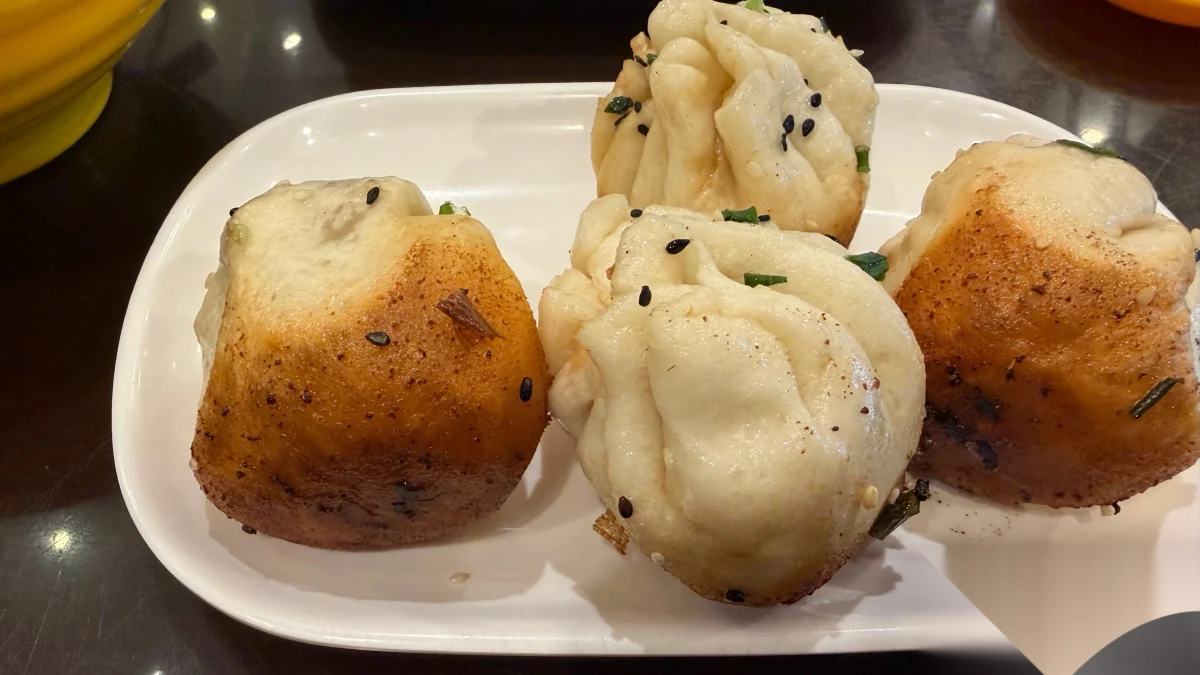
Every guide to Shanghai tells you to eat shengjian bao — the pan-fried pork bun. Almost none of them tell you there are two completely different versions of it, made fifty metres apart, by people who disagree with each other.
That's why you'll find one-star reviews from travellers saying a famous Shanghai bun shop "had no soup inside". There was never supposed to be. They ordered the wrong school.
School one: soup-filled
This is the version you've probably seen on video. The pork filling is mixed with aspic — solidified broth — which melts into liquid while the bun fries. Bite in and it gushes.
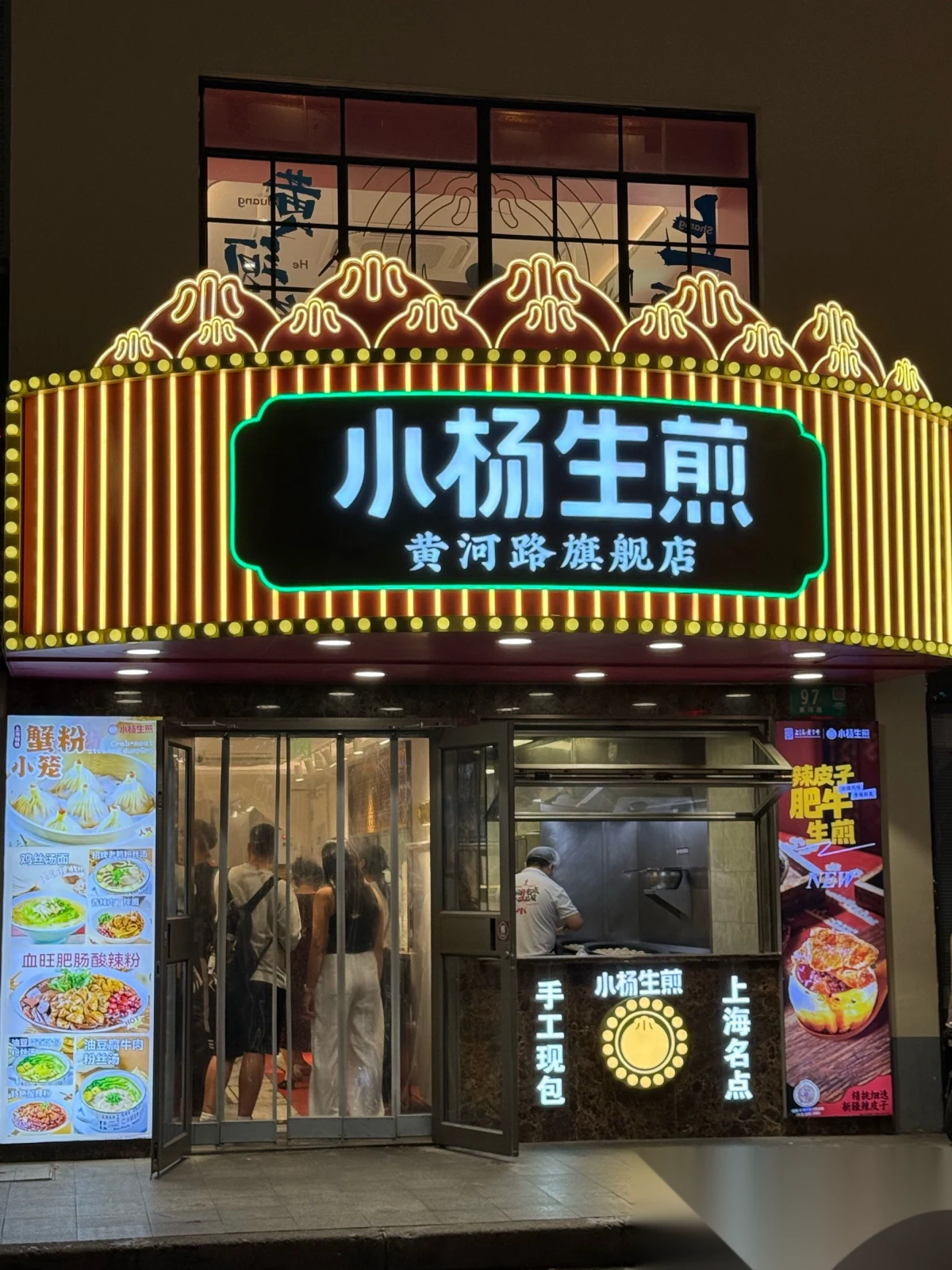
The "soup-filled" school — aspic mixed into the pork filling bursts when you bite. First-timers: take a small bite first or you'll wear the soup. Locals pair it with hot-and-sour soup or beef soup.
The technique matters more than the bun. Take a small bite from the top, sip the soup out, then eat the rest dipped in black vinegar. Biting straight into a whole one is how people burn their chins and stain their shirts — the soup inside is genuinely hot enough to hurt.
This style is louder and more photogenic, which is why it's the one that travelled. It's also, to a certain kind of Shanghainese person, the newcomer.
School two: dry-style
The old Shanghai version has no added aspic. What you get instead is a thick, deeply browned, almost cracker-like bottom and a filling that stays where it's put. Less drama, more crust, more pork flavour — because nothing is diluted by liquid.
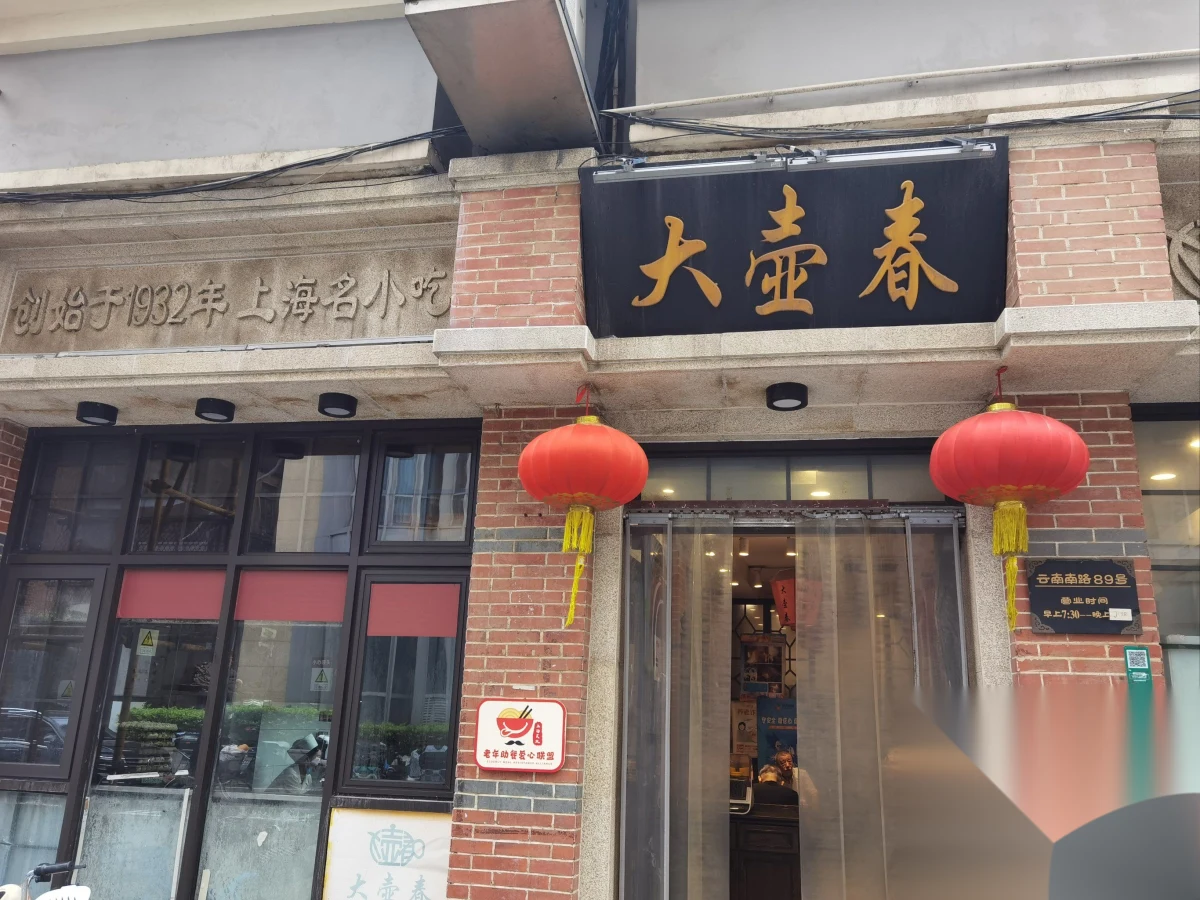
Shanghai's "dry-style" shengjian bao house — no aspic in the filling, so less soup but a deeply crisp bottom. The local order is 「二两鲜肉生煎」 (100g pork buns) with a bowl of curry beef soup.
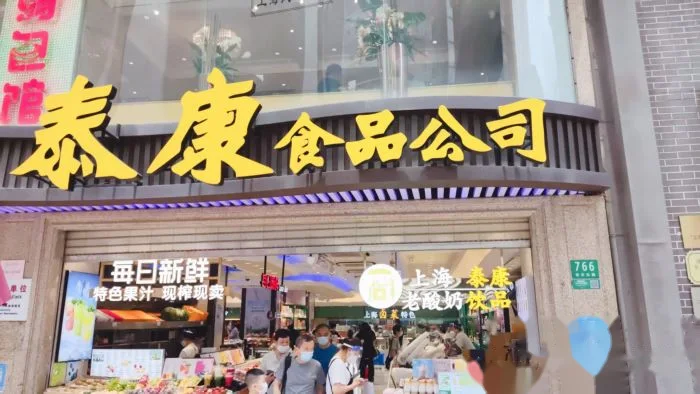
This shop has been making them this way since the 1930s, on a food street that has been a food street about as long. The local order is 二两鲜肉生煎 — 100g of pork buns, which comes to about four — with 咖喱牛肉汤 (curry beef soup) alongside to do the job the missing broth would have done.
The dry school's whole argument: if you want soup with your bun, order soup. Putting it inside costs you the crust.
So which one is correct?
Both, and that's the actual answer — but if you only eat one, think about what you want from it:
- Want the theatrical version, scalding broth, the thing you'll film? Soup-filled.
- Want the older, crustier, more pork-forward one that old Shanghai defends? Dry-style.
- Have two mornings? Eat both, in that order. Soup first, then dry, so the second one doesn't feel like a disappointment.
What you shouldn't do is judge one by the other's rules. A dry bun is not a failed soup bun, and a soup bun is not a gimmick.
The third bun, so you stop confusing them
Then there's xiaolongbao — the steamed soup dumpling, eaten from a bamboo steamer with chopsticks, delicate enough that you lift it by the pinched top and lower it onto a spoon. Different cooking method, much thinner skin, no fried bottom.
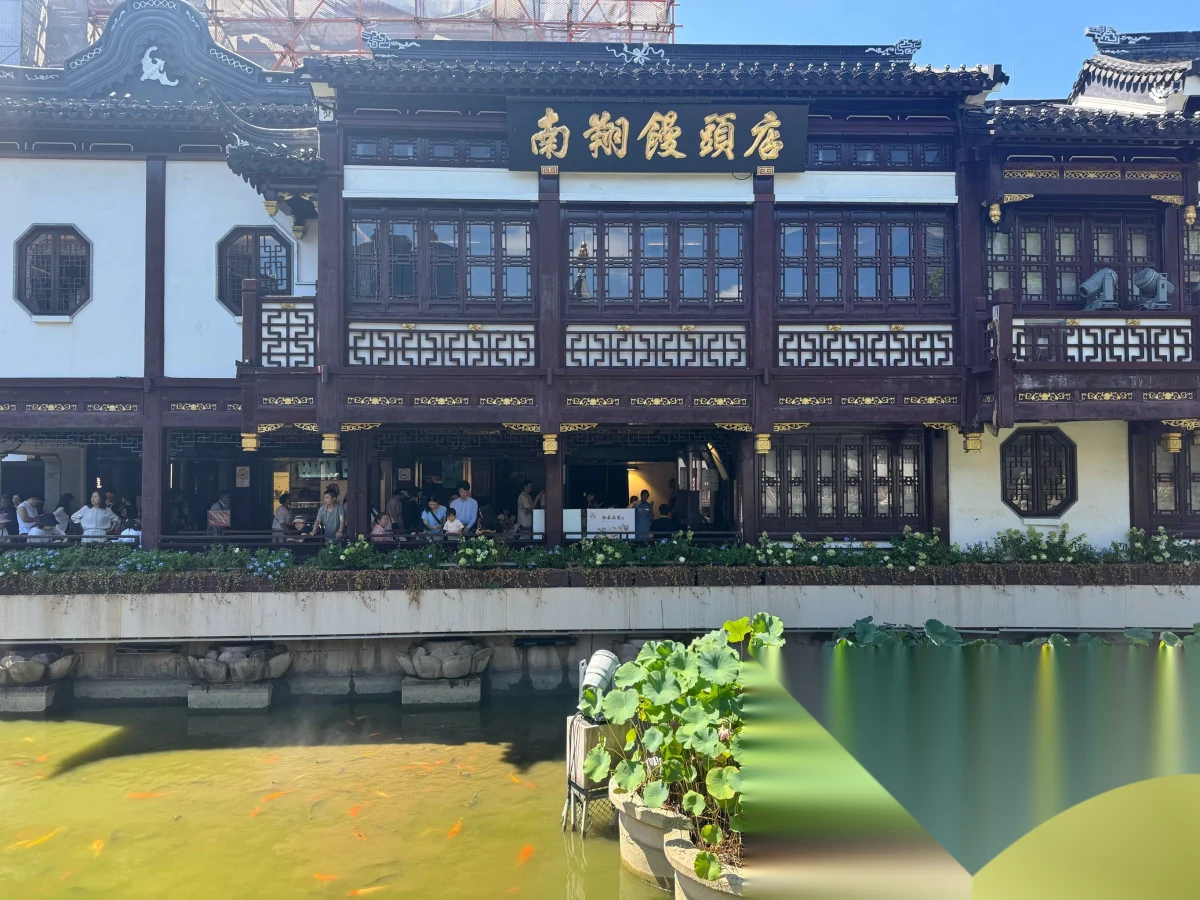
Two dining areas share the building: the ground-floor takeaway counter (cheap, standing, locals queue here) and the upstairs restaurant (3-5x pricier, service charge, mostly tourists). On a budget or want the authentic one? Stay downstairs.
Shanghai's most famous xiaolongbao house has two operations under one roof: a ground-floor takeaway counter where locals queue, and an upstairs sit-down restaurant that costs several times more for essentially the same dumplings plus a service charge. If you want the local version, stay downstairs.
Ordering, in both schools
- Buns are sold by weight, not by count. Order 二两 (100g) for one person — about four buns — and 四两 if you're sharing.
- 鲜肉 means pork. 虾肉 means shrimp. 蟹粉 is crab roe, seasonal and pricier.
- Order a soup alongside. 咖喱牛肉汤 (curry beef soup) or 酸辣汤 (hot and sour soup) are the two standard partners.
- Black vinegar is on the table, self-service. Pour a little into the dish and dip.
- Pay first at the counter in most shops, then take your receipt to the food window. If you're unsure, watch what the person in front of you does for ten seconds.
What it costs
Shengjian bao is cheap food and has stayed cheap food. Two people eating well — buns, soup, maybe a second order — should get out for under ¥60 total. Dry-style is marginally cheaper than soup-style. If a place near a tourist sight quotes you ¥80 for one portion of buns, walk one block away from the sight.
More from Shanghai
 Food
Food
Fifteen Minutes From The Bund, The Food Changes Completely
The Bund's own restaurants speak fluent English and take every card. Walk fifteen minutes inland and you're in a different Shanghai: olde...
Read →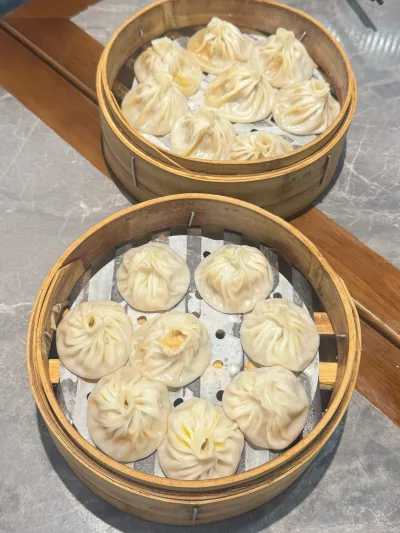 Food
Food
Liang, Long, Zhi — How Shanghai Actually Sells Its Food
Nothing at an old-school Shanghai shop is sold by "a portion". Noodles come in liang, buns come in liang, dumplings come in long, pancake...
Read → Food
Food
How To Order Noodles In Shanghai Like You Live Here
Hard noodles or soft. Soup on the side or in the bowl. Scallions held back or doubled. The words that change what arrives at your table —...
Read → Food
Food
The 10 Tables Every First-Time Visitor Should Eat At In Shanghai
Not the ten fanciest, not the ten most famous — the ten places where the food is genuinely good, the price is genuinely small, and the ex...
Read → Food
Food
Eating At Yu Garden Without Getting Trapped
Yu Garden Bazaar is where the invention of the soup dumpling is genuinely worth seeing — and where the worst meal of your trip is genuine...
Read →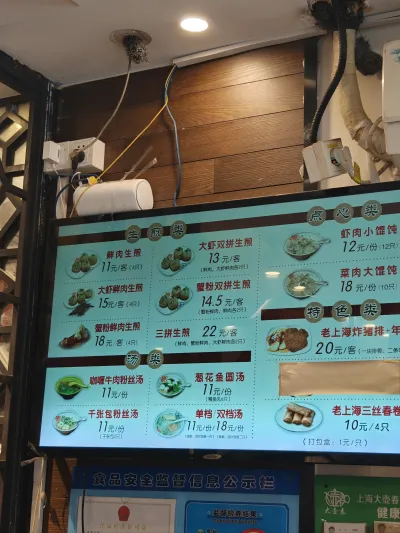 How-to
How to Order Food in China With No English
You don't need to speak Chinese. You need to copy, paste and point. The exact five moves that get food in front of you — plus the sentenc...
Read →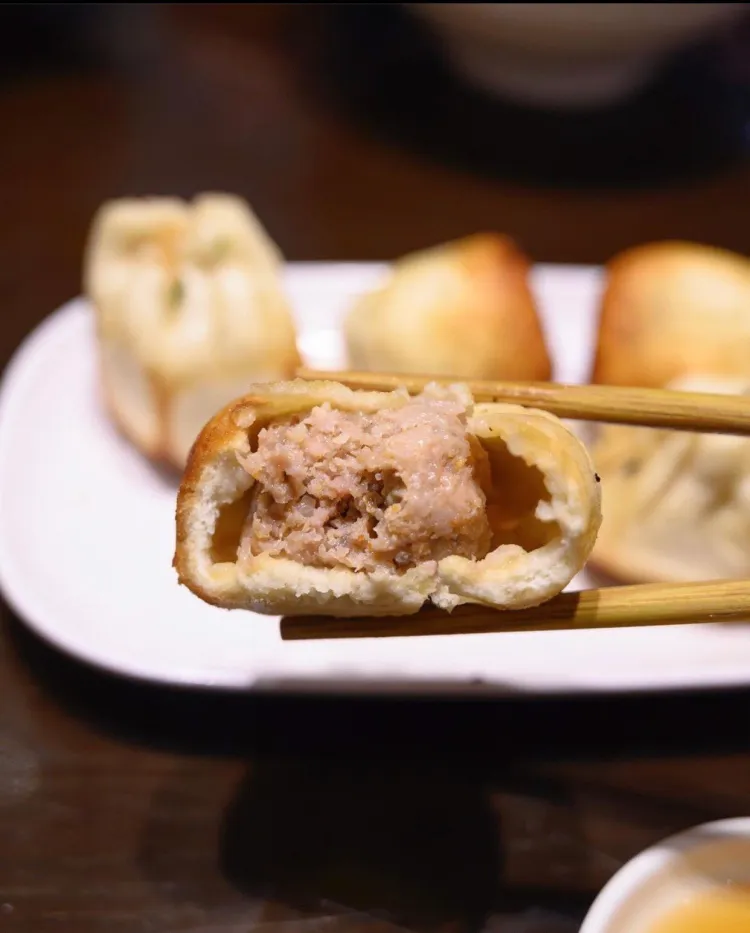 Food
Food
Where Shanghai Eats Breakfast
Four breakfasts, four street windows you would walk straight past. What locals eat before nine, what it costs, and the Chinese words that...
Read →