
Unlisted China / Shanghai / Guides
How to Order Food in China With No English
You don't need to speak Chinese. You need to copy, paste and point. The exact five moves that get food in front of you — plus the sentences that fix things when it goes wrong.
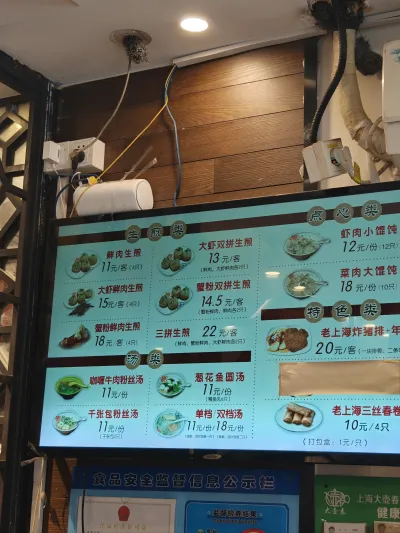
Here's the thing nobody tells you before you land: you are not going to learn to pronounce your order, and you don't have to.
Chinese restaurant ordering runs on written characters and QR codes, not conversation. The entire skill is knowing what to copy and where to paste it. Once you understand that, an untranslated menu stops being a wall and becomes something you can work around in about ninety seconds.
The five moves
1. Copy the restaurant name before you leave.
This is the move that matters most, and you do it on the phone, not at the door. English names for Chinese restaurants simply don't exist in the mapping apps — "A Niang Noodle House" gets you nothing. The Chinese characters get you a pin.
Copy the characters, paste them into Amap, Apple Maps or Didi, and navigate to the pin. This is why every entry on this site puts the Chinese name first and makes it copyable in one tap.
2. Sit down and look for the QR code.
In most Chinese restaurants, including small ones, there's a QR sticker on the table. Scan it with WeChat or Alipay and a full menu opens on your phone — usually with photos, always in Chinese.
Photos do most of the translation work. And if you need more, screenshot the menu and run it through your phone's translation feature: on iOS, screenshot and tap the translate button; on Android, use Google Lens. You'll get mangled translations like "yellow croaker face" — but paired with the photo and the price, it's enough to choose.
3. Order on the phone.
The QR menu is also the ordering system. Tick what you want, press submit, and it goes to the kitchen. Payment happens in the same flow. Many small places now run almost entirely on this, which means you can eat a full meal without speaking to anyone at all.
If there's no QR code, that's when you point.
4. Point at the characters, hold up fingers.
Show the dish name on your phone and hold up fingers for quantity. Nobody expects pronunciation. A smile and a finger works in every city in China.
This is also why it's worth having the dish names saved, not just the restaurant name:
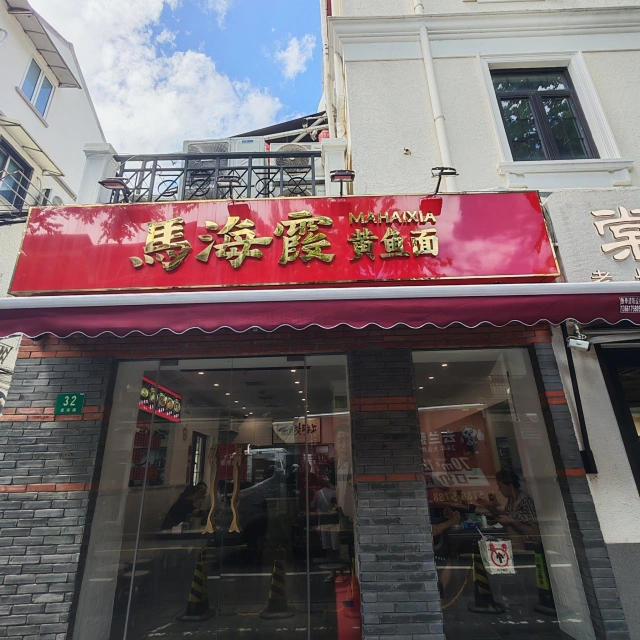
The signature is the yellow croaker noodle soup — locals order it as 「黄鱼面加咸菜」 (with pickled greens). The topping is cooked to order and often sells out after 11am. The shop is tiny; go early and you likely won't queue.
5. Pay with the QR code, not the card.
Ordering by QR menu usually includes payment. If you pay separately, it's still a QR: open Alipay or WeChat Pay, scan the code at the counter, enter the amount or confirm it. Set both apps up with an international card before you fly — this is the single highest-value thirty minutes of trip prep you can do.
Cash works less and less. Cards almost never work in small restaurants.
Six phrases worth saving
You will not need many. These six cover nearly every situation:
- 不要辣 (bú yào là) — not spicy
- 不要香菜 (bú yào xiāng cài) — no coriander
- 微辣 (wēi là) — a little spicy
- 有什么推荐? (yǒu shén me tuī jiàn) — what do you recommend?
- 打包 (dǎ bāo) — wrap it up to go
- 买单 (mǎi dān) — the bill, please
Show them on your screen. Pointing at the characters removes the accent problem entirely.
Where people actually get stuck
Counting. Noodles and dumplings are often sold by weight, not by piece — 二两 means 100g, which for buns is about four. If you want a rough guide: one portion of noodles is one bowl, and a bowl is a meal.
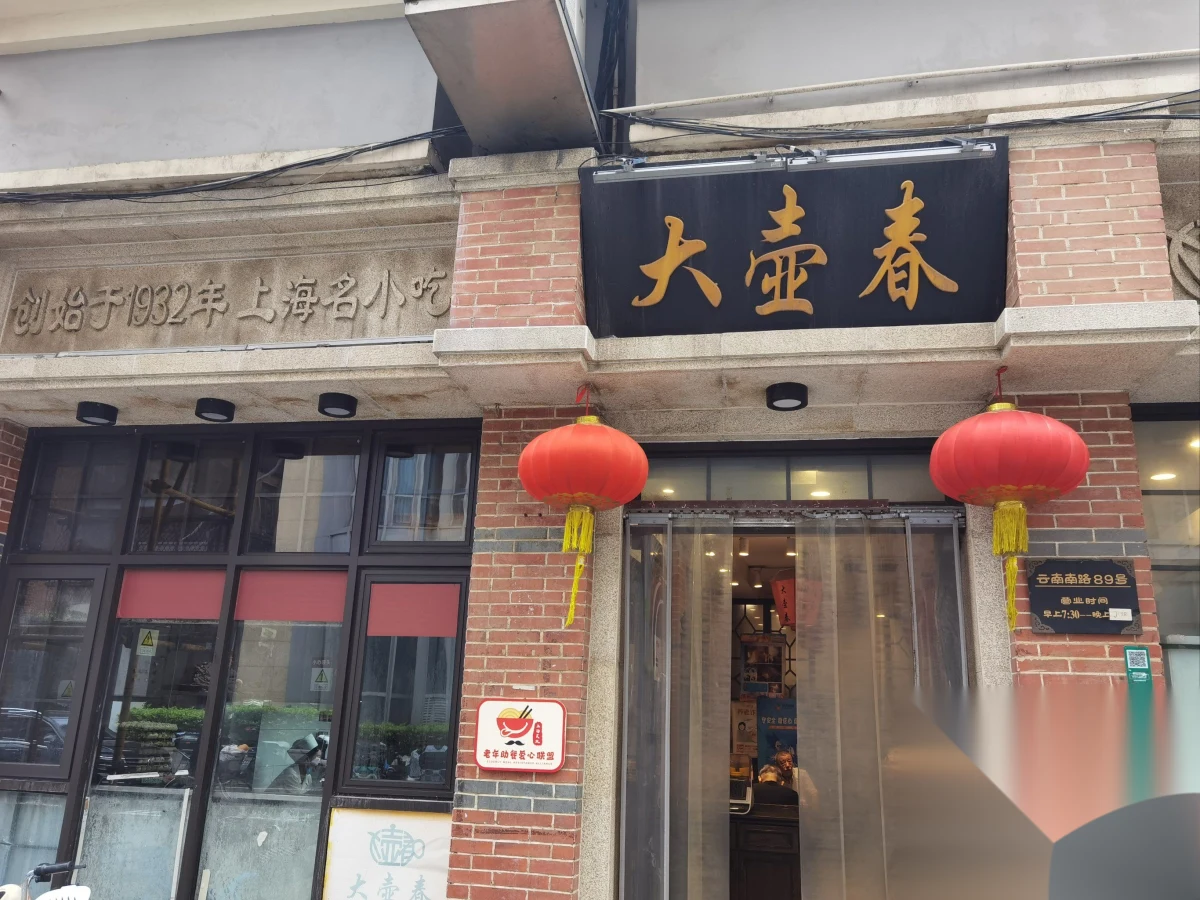
Shanghai's "dry-style" shengjian bao house — no aspic in the filling, so less soup but a deeply crisp bottom. The local order is 「二两鲜肉生煎」 (100g pork buns) with a bowl of curry beef soup.
Bones. Chinese fish dishes frequently come with the fish largely intact, bones included, and this is normal rather than careless. If you're not confident eating around bones, pick a dish without the word 鱼 (fish) or 排骨 (ribs) in it.
Dietary requirements. Say "vegetarian" in English and you may get a nod and a dish with pork in it — the concept doesn't map cleanly. Be specific instead: 不要肉 (no meat), 不要猪肉 (no pork), 我对花生过敏 (I'm allergic to peanuts). Specific and written beats general and spoken.
Sharing tables. In busy places, sitting at a table where someone is already eating is normal, not rude. Nobody will introduce themselves. Eat, leave, nobody thinks about it again.
What to do when it all fails
Find the dish you want on someone else's table, point at it, and hold up one finger. Then point at yourself. This works in every restaurant in China, in every language, and it has never once failed me.
Places in this guide
2 entriesMore from Shanghai
 Food
Food
Fifteen Minutes From The Bund, The Food Changes Completely
The Bund's own restaurants speak fluent English and take every card. Walk fifteen minutes inland and you're in a different Shanghai: olde...
Read →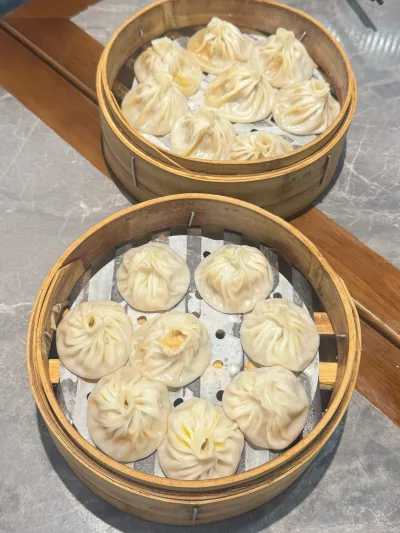 Food
Food
Liang, Long, Zhi — How Shanghai Actually Sells Its Food
Nothing at an old-school Shanghai shop is sold by "a portion". Noodles come in liang, buns come in liang, dumplings come in long, pancake...
Read →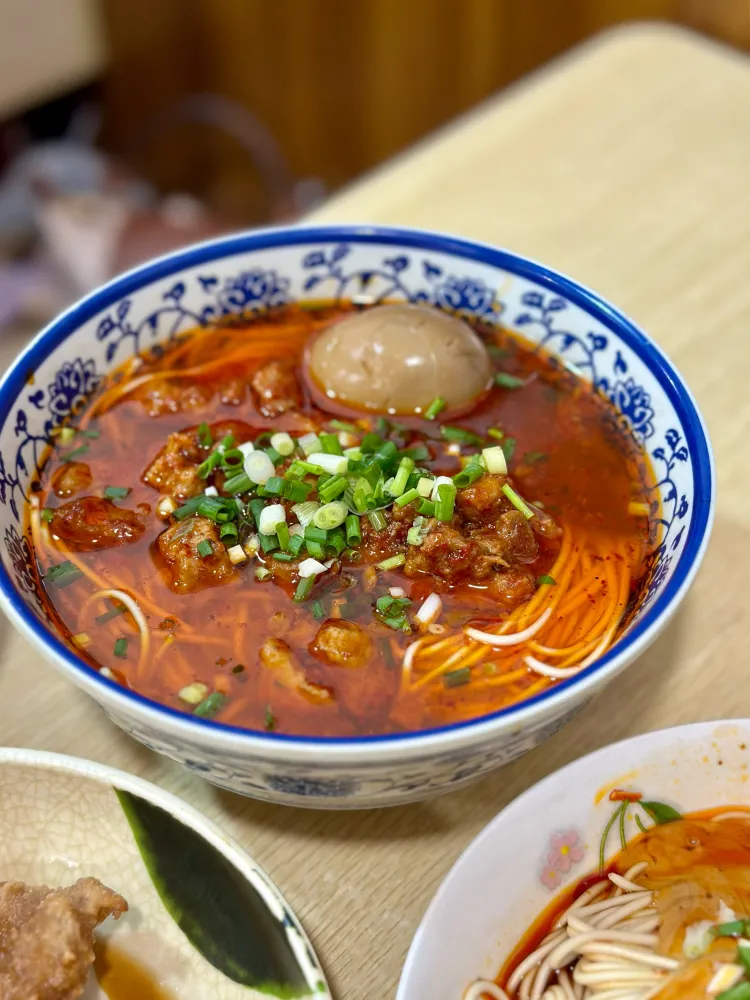 Food
Food
How To Order Noodles In Shanghai Like You Live Here
Hard noodles or soft. Soup on the side or in the bowl. Scallions held back or doubled. The words that change what arrives at your table —...
Read →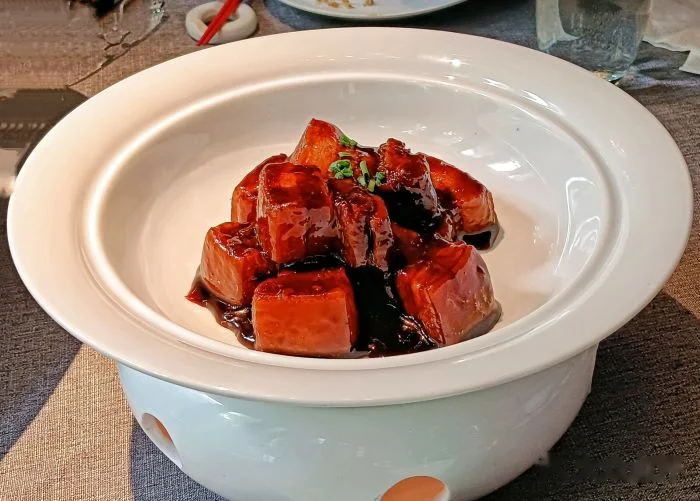 Food
Food
The 10 Tables Every First-Time Visitor Should Eat At In Shanghai
Not the ten fanciest, not the ten most famous — the ten places where the food is genuinely good, the price is genuinely small, and the ex...
Read → Food
Food
Eating At Yu Garden Without Getting Trapped
Yu Garden Bazaar is where the invention of the soup dumpling is genuinely worth seeing — and where the worst meal of your trip is genuine...
Read →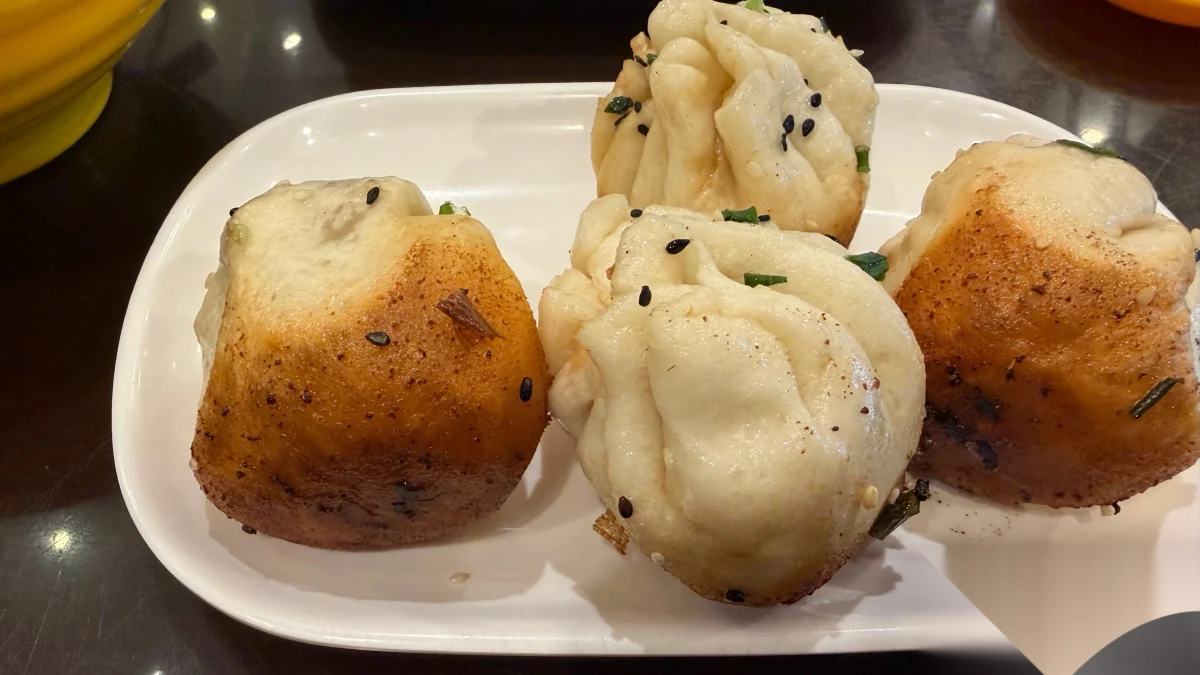 Food
Food
The Two Schools of Shanghai's Pan-Fried Bun
One bursts with scalding soup. One has almost none. Locals have been arguing about which is correct for a century — and most visitors onl...
Read →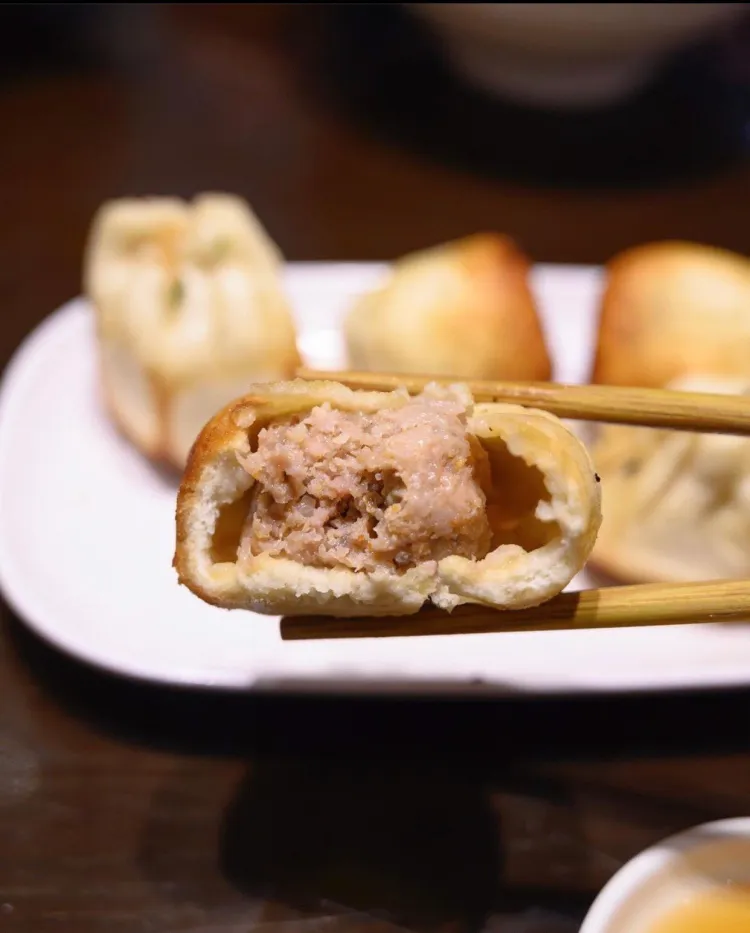 Food
Food
Where Shanghai Eats Breakfast
Four breakfasts, four street windows you would walk straight past. What locals eat before nine, what it costs, and the Chinese words that...
Read →