
Unlisted China / Shanghai / Guides
11 Dishes You Can't Leave Shanghai Without Trying — A Local's Bucket List
Ask most visitors what Shanghai tastes like and they'll say: soup dumplings. Fair enough, they're great. But anyone who grew up here will tell you the same thing — that's only the beginning. Real Shanghai food is sweet and savory at once, dark and glossy with soy.
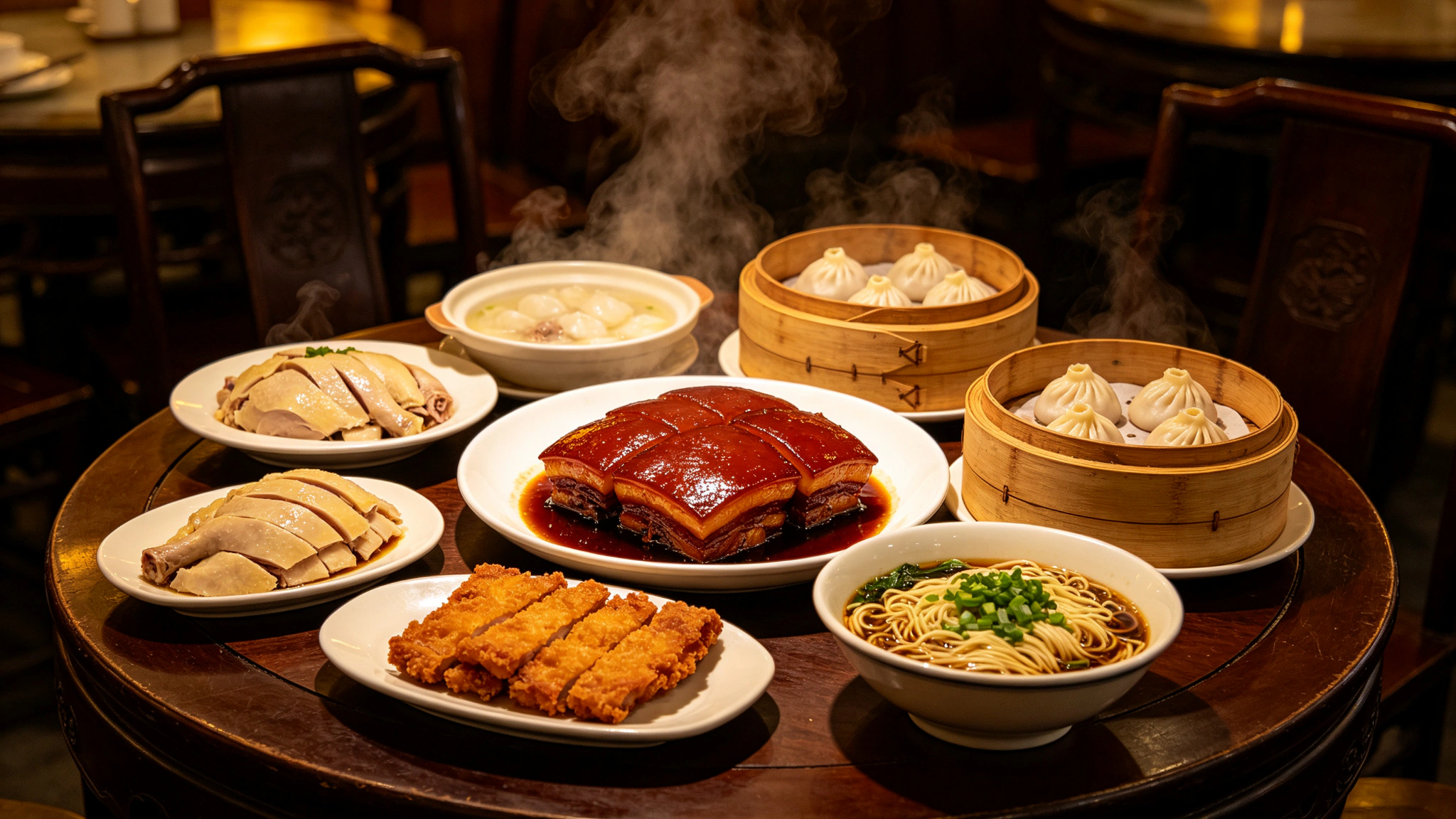
Locals have a name for the style: nong you chi jiang (浓油赤酱) — "rich oil, dark sauce." It's home cooking, and it doesn't need to show off.
I grew up in Shanghai, and this is the list I hand to friends when they fly in: 11 dishes, no tourist-trap gimmicks, and where to get the good versions. Start at the top, pace yourself, and save room for the sweet ones.
1. The Big Three: Start Here
If you only have one meal in Shanghai, spend it on these three.
1.1 Soup Dumplings (Xiaolongbao, 小笼包)
Shanghai's most famous export, and for good reason. A xiaolongbao is pork and scalding-hot broth wrapped in paper-thin dough and steamed in a bamboo basket. Eating one takes a little technique: bite a small hole, sip the soup, then dip and eat the rest. Don't pop the whole thing in your mouth at once. You'll learn why the hard way, exactly once.
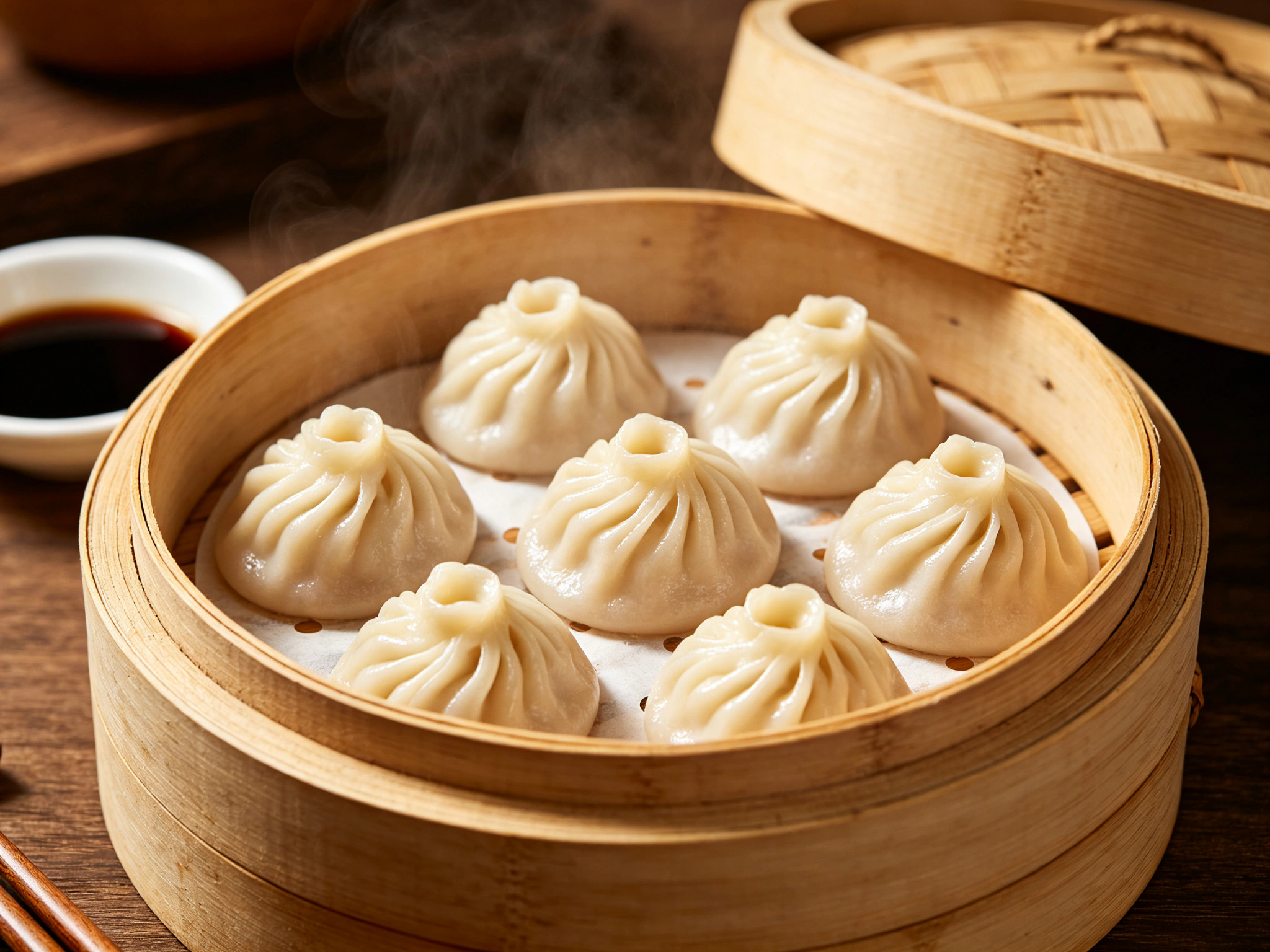
Where: Jia Jia Tang Bao (佳家汤包) on Huanghe Road near People's Square is the no-frills local favorite, about ¥30 a basket. For the old-town version, Nanxiang Steamed Bun Restaurant (南翔馒头店) inside Yu Garden has been making them since 1900.
1.2 Red-Braised Pork Belly (Hong Shao Rou, 红烧肉)
The king of Shanghainese home cooking. Pork belly cubes braise slowly in soy sauce and rock sugar until the fat turns silky and the glaze goes dark and shiny. A proper hong shao rou cuts with a spoon. It's sweet, it's savory, and it's the dish locals mean when they say "Shanghai taste" — which is also why we're not shy about sugar.
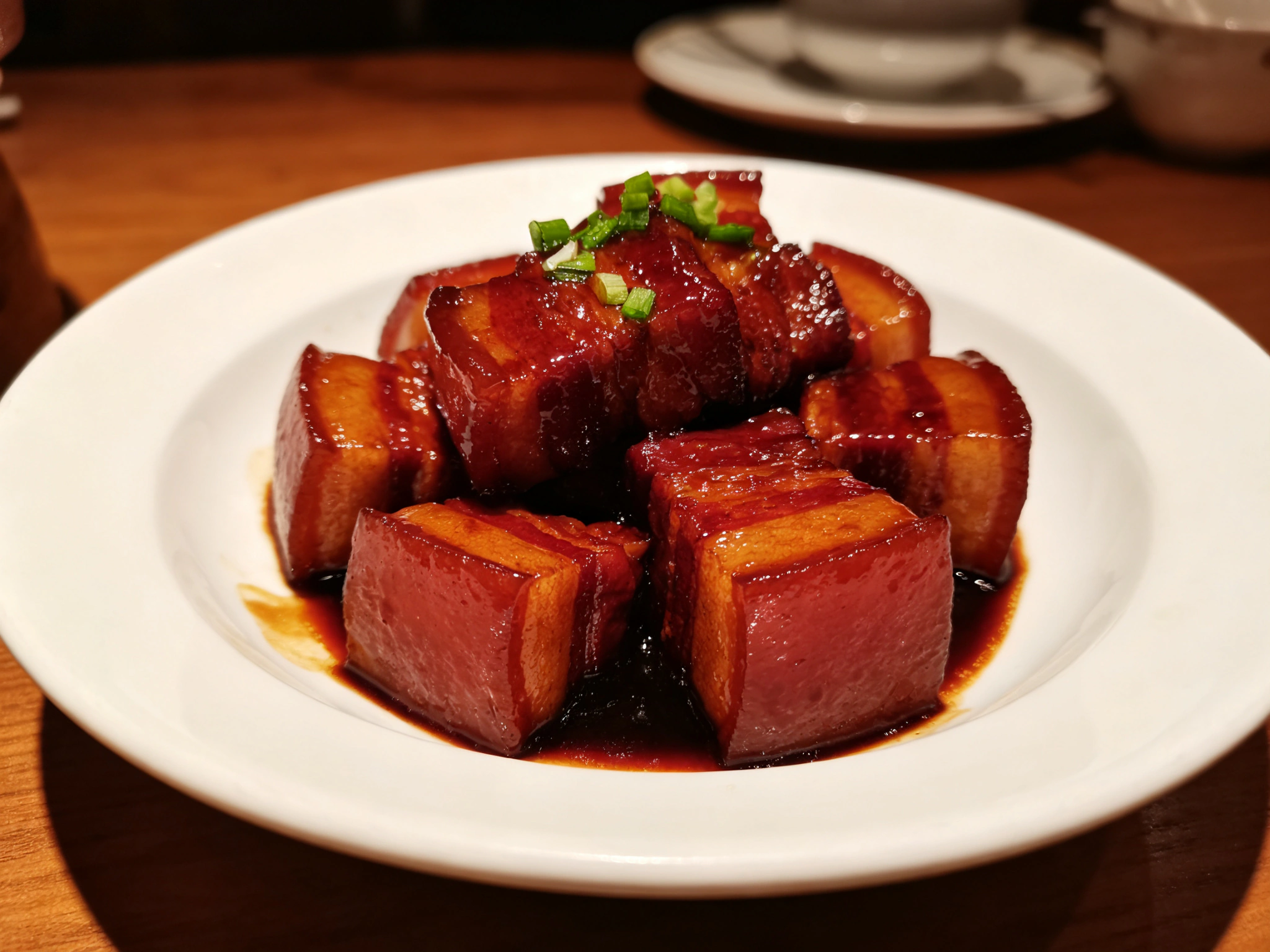
Where: Old Jesse (老吉士酒家) on Tianping Road, Xuhui, is a longtime Michelin Bib Gourmand pick, around ¥150–200 per person. Or Lan Xin (兰心餐厅) on Jinxian Road for a homier, cheaper take, about ¥100–140 per person.
1.3 White-Cut Chicken (Bai Zhan Ji, 白斩鸡)
A whole chicken is poached, chilled fast, and served at room temperature with soy-ginger dip. The skin is yellow and crisp, the meat silky. And yes — the bones can look pink. That's a good sign: it means the chicken was cooked just enough. The gold standard is Xiao Shaoxing (小绍兴) on Yunnan South Road, an institution since the 1940s whose white-cut chicken is on the city's intangible-heritage list. Order the chicken congee (鸡粥) alongside. It's half the experience.
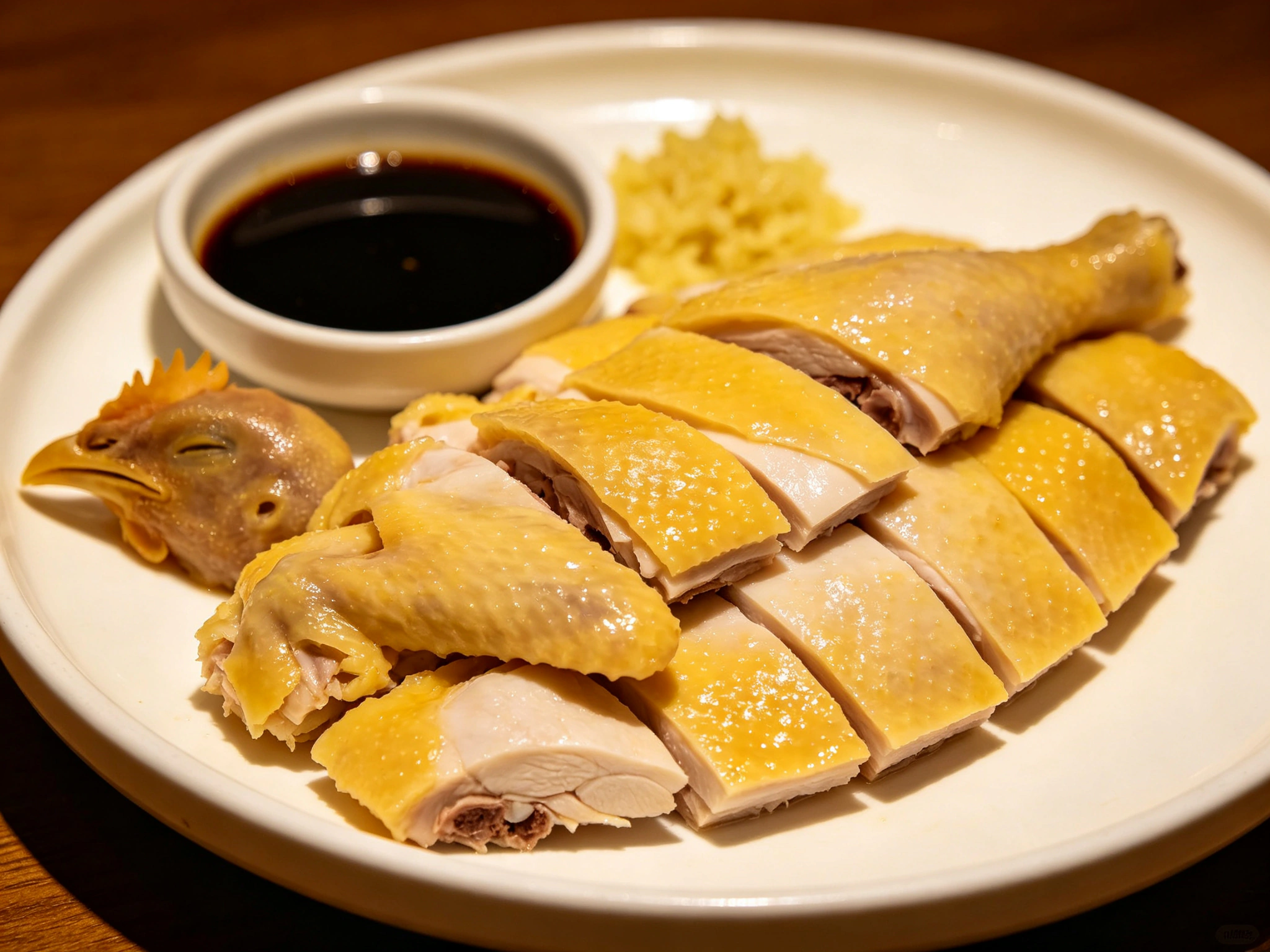
Where: Xiao Shaoxing (小绍兴), 69–75 Yunnan South Road. Go early; locals queue for a reason.
2. Noodles & Bowls: Shanghai's Comfort Food
Noodles are the city's daily food: cheap, fast, endlessly satisfying. These three cover three very different moods.
2.1 Scallion Oil Noodles (Cong You Ban Mian, 葱油拌面)
Scallions fry slowly in oil until they're nearly black, then get tossed with thin noodles and soy. That's the whole dish: simple, nutty, savory, quietly addictive. Shanghai doesn't do plain noodles — every bowl is built on purpose. Add a fried pork chop on the side if you want the full experience.
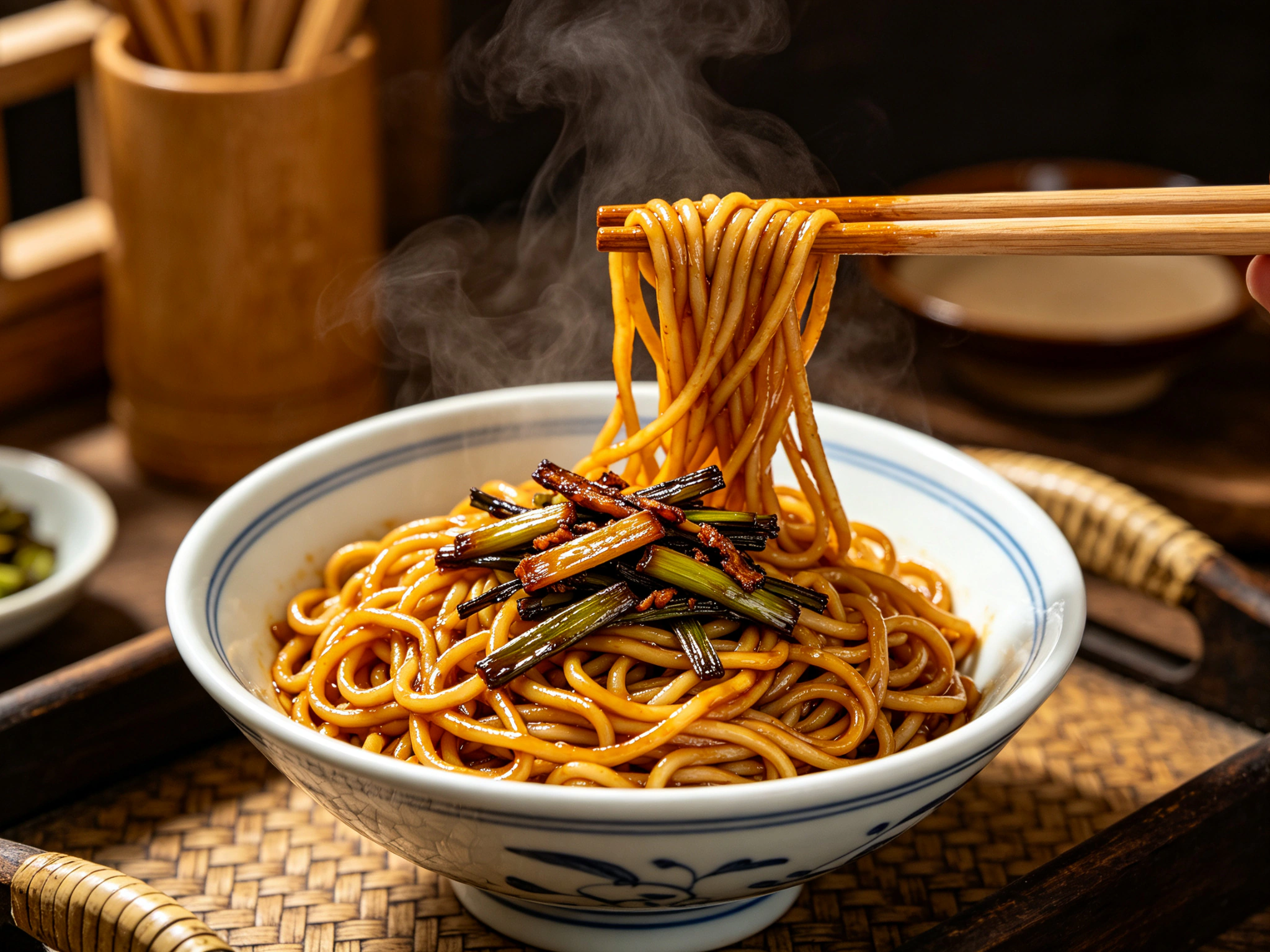
Where: Hu Xi Lao Long Tang (沪西老弄堂面馆) near Jing'an Temple is the local favorite, with a lunchtime line; ¥25–40 a bowl.
2.2 Spicy Minced Pork Noodles (La Rou Mian, 辣肉面)
Shanghai's version of spicy is gentle and a little sweet: minced pork cubes braised in chili oil that hums instead of burns, spooned over noodles. If you just survived a week of Sichuan food, this will feel like a hug. It's the working-class classic that still packs old noodle shops at noon.
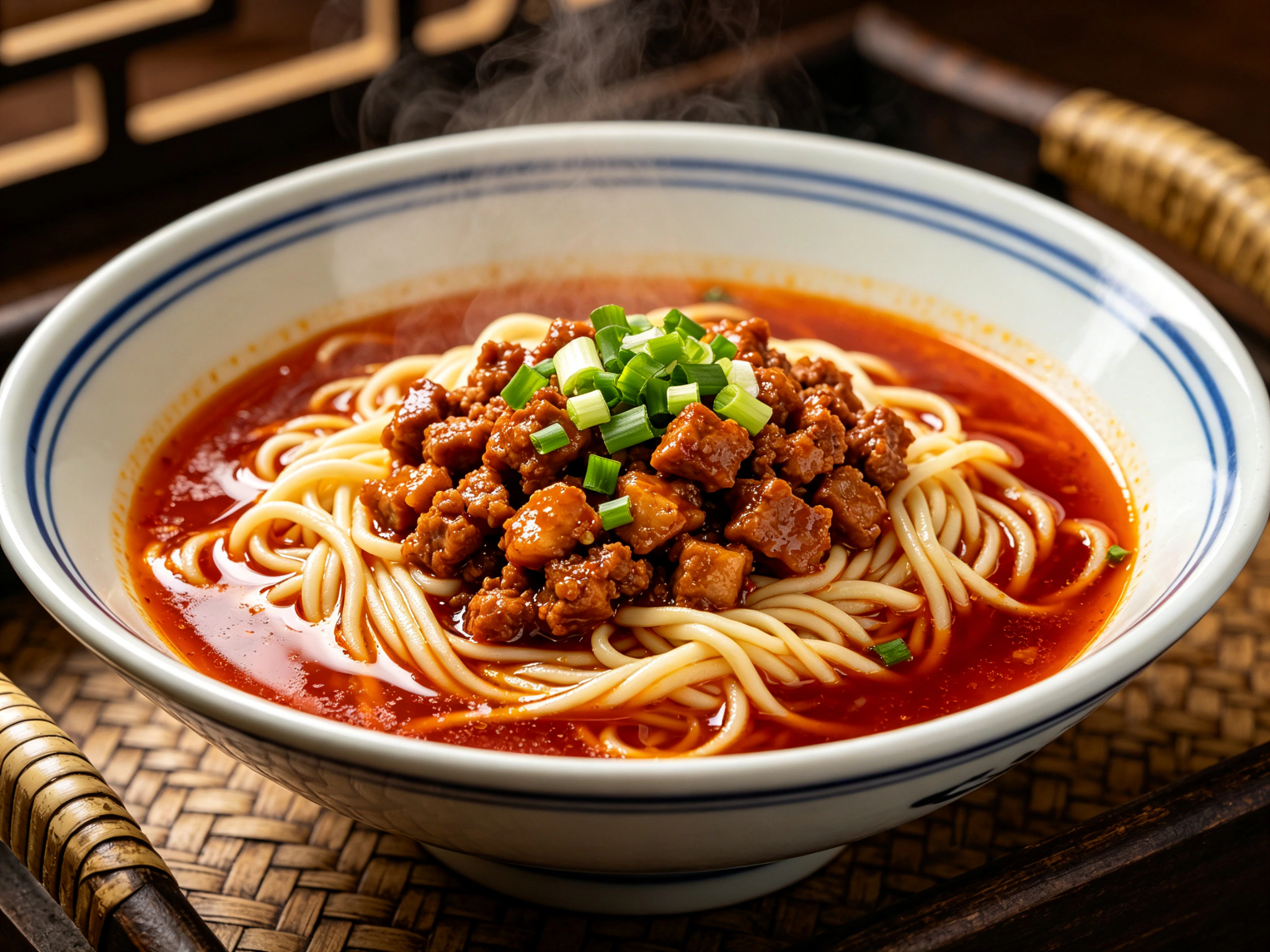
Where: Da Fu Gui (大富贵), a beloved old snack house with branches across the old city (around ¥40 per person), or Jun Dong Ji (君东记本帮面馆) for a slicker modern noodle bar. In our Shanghai list, Xianghe Noodles on Dingxi Road is the direct 辣肉面 match.
2.3 Crab Roe Noodles (Xie Huang Mian, 蟹黄面)
The splurge. Noodles buried under a mound of golden crab roe and crab meat, wok-fried in lard. Best from September to November, when the hairy crabs are at their peak. A splash of vinegar cuts the richness. This is what autumn tastes like here — if your wallet can handle it.
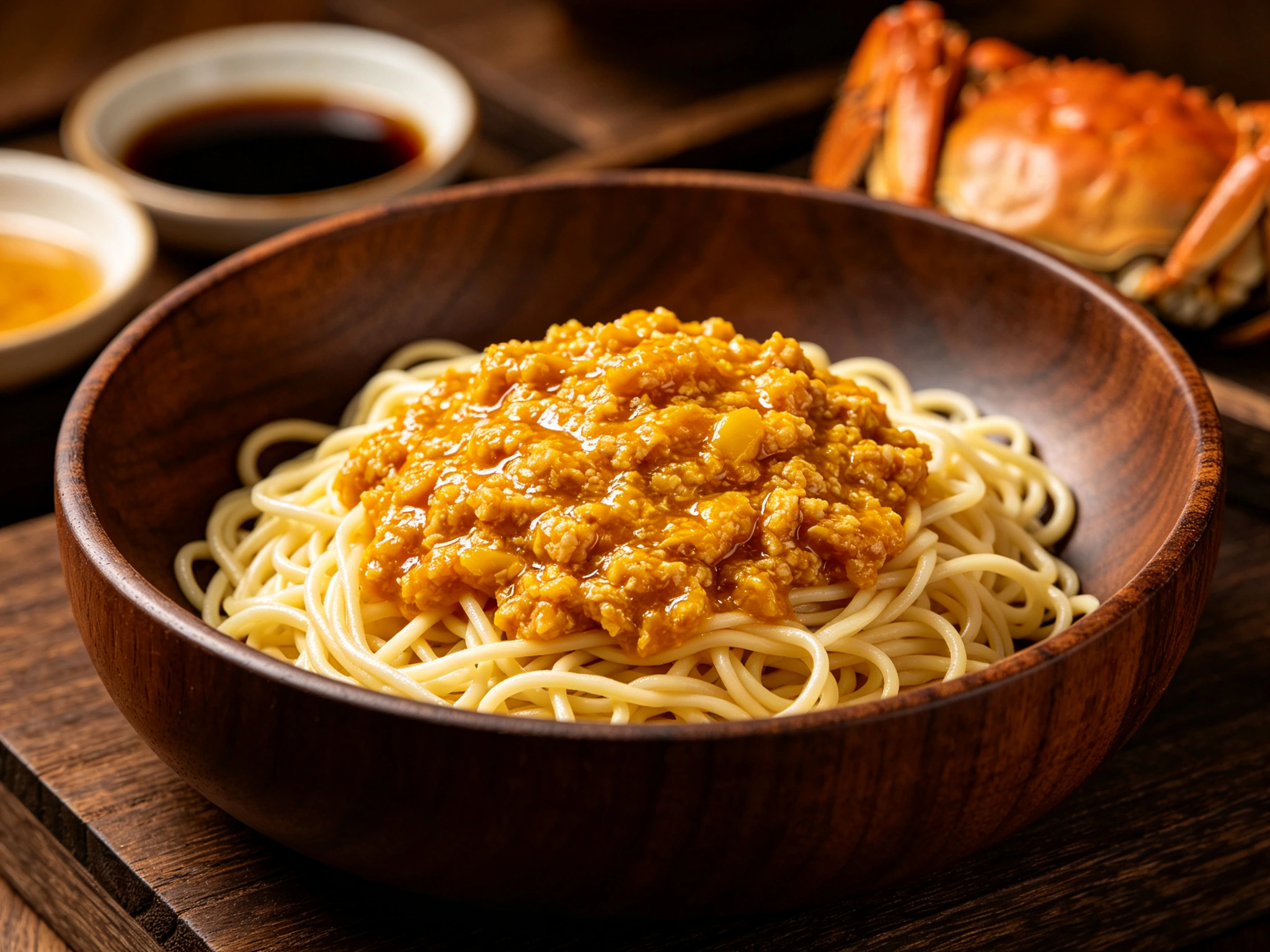
Where: Chenglonghang Crab Palace (成隆行蟹王府) on Jiujiang Road is the Michelin-starred splurge, around ¥400–600 per person. More casual: Li Bai Xie (李百蟹) near East Nanjing Road. For history, Wang Bao He (王宝和), the self-styled "Crab King" since 1744. In our Shanghai list, Jichangxing Crab-Roe Noodles, Xie Xiaoyou Crab-Roe Noodles and Yuxingji Crab-Roe Noodles are the crab-roe noodle specialists.
3. Small Plates & Snacks: The Locals' Table
Shanghai meals are built from small plates. These five actually show up on family tables. Order a few and share like a local.
3.1 Smoked Fish (Xun Yu, 熏鱼)
Despite the name, it isn't smoked. Fish pieces get fried, then dunked in a sweet-soy marinade until they turn dark and glossy. Crisp outside, tender inside, served cold. Every celebration table has a plate, and every local has a strong opinion about whose is best.
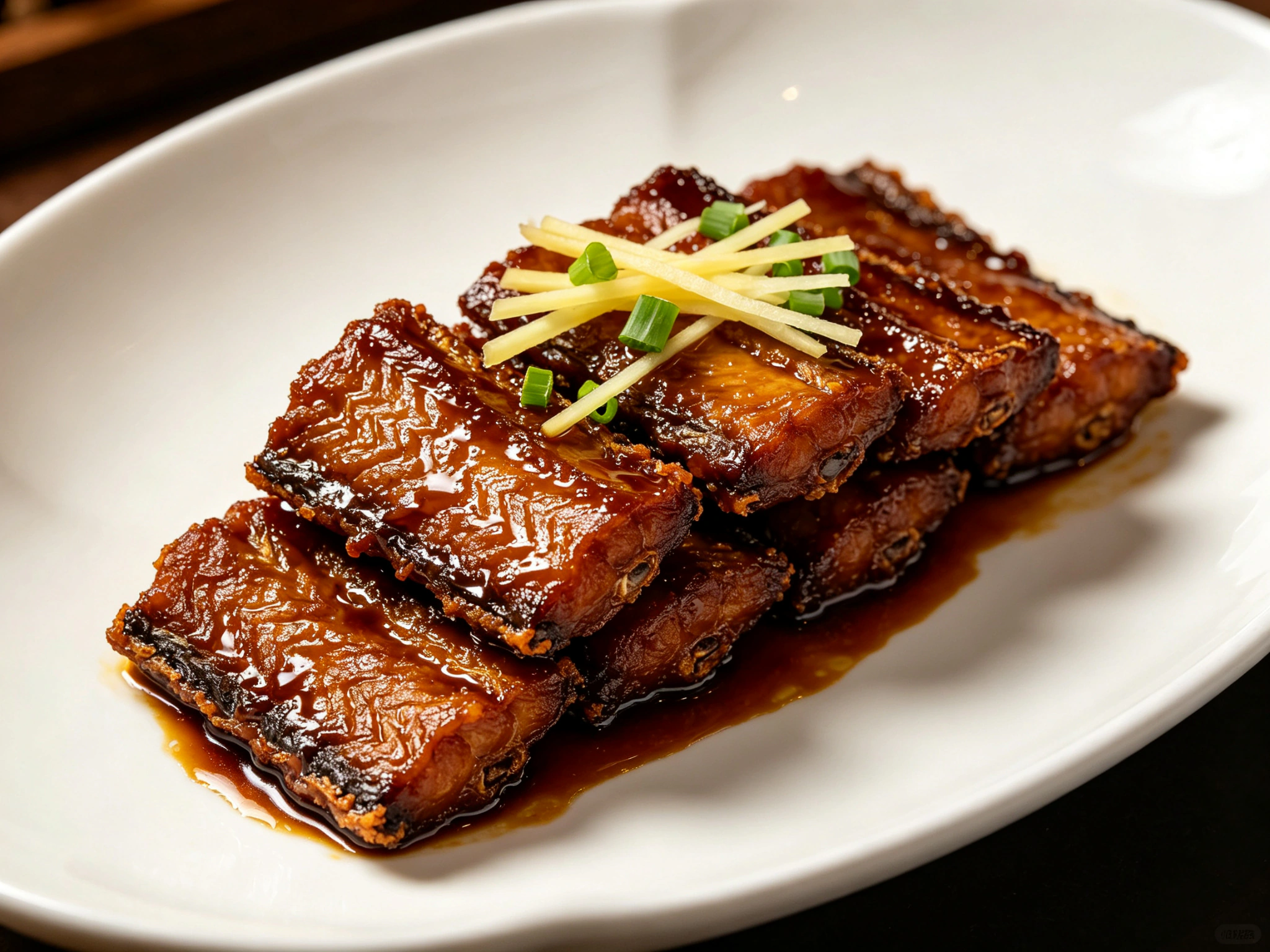
Where: Da Fu Gui (大富贵) and Jun Dong Ji (君东记) both do excellent versions. In any benbang restaurant, it lives in the cold-dish section — point and order.
3.2 Sweet-and-Sour Spareribs (Tang Cu Xiao Pai, 糖醋小排)
Shanghainese sweet-and-sour is not the orange gloop you get from takeaway chains. It's vinegar, sugar and soy cooked down to a bright, sticky lacquer over small meaty ribs. One bite and you'll understand what "Shanghai sweet" actually means.
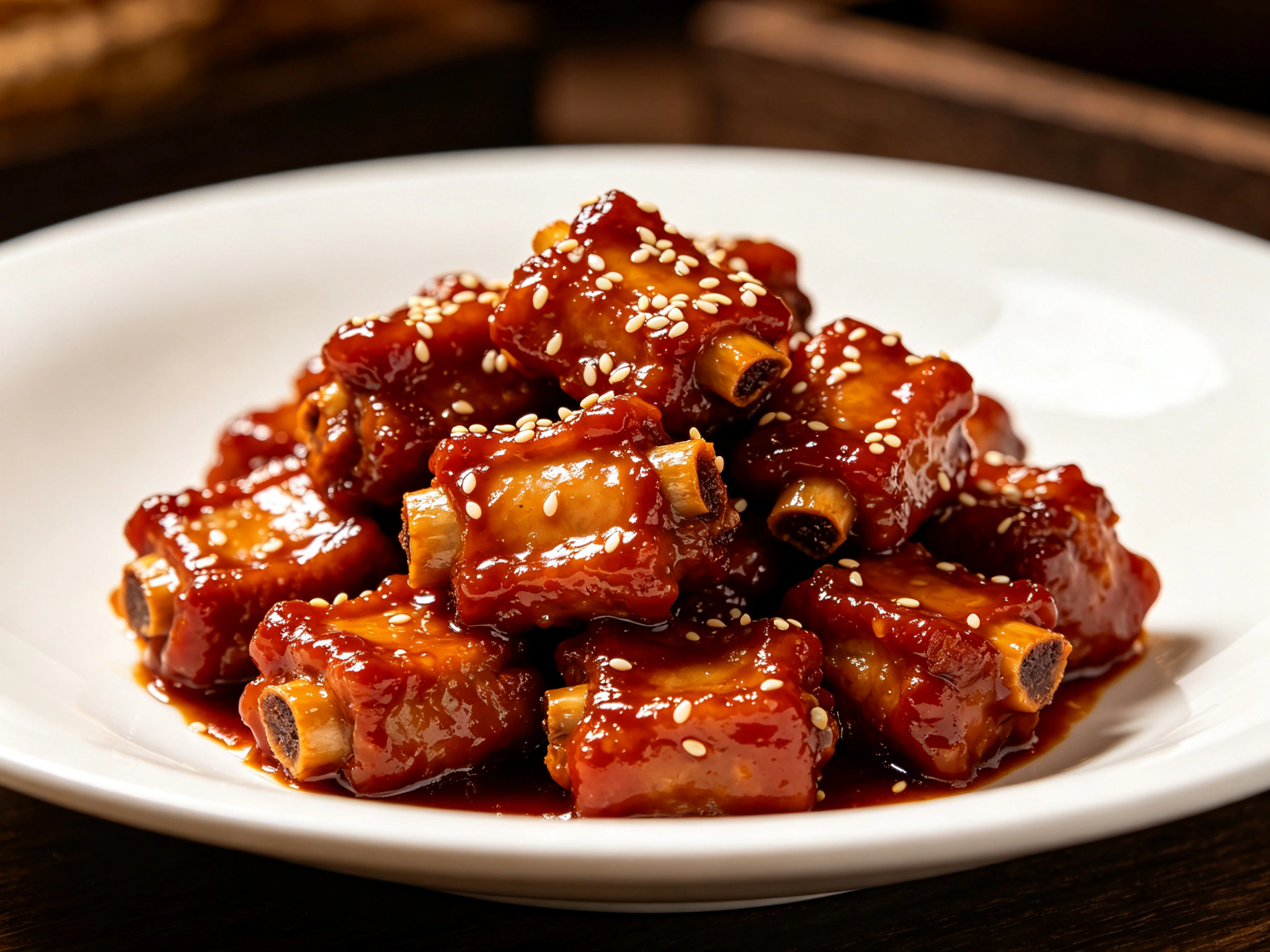
Where: Lao Zheng He (老正和) or Old Jesse (老吉士酒家) — the sesame-dusted version at Old Jesse is a menu classic.
3.3 Shanghai Fried Pork Chop (Zha Zhu Pai, 炸猪排)
A leftover from Shanghai's treaty-port days: our answer to the Western schnitzel. Pork gets pounded thin, breaded, fried golden, and — the crucial part — dipped in a spicy Worcestershire-style sauce called la jiang you (辣酱油). Pair it with a bowl of borscht (罗宋汤) at an old-school Shanghai restaurant for the full "Shanghai Western" experience.
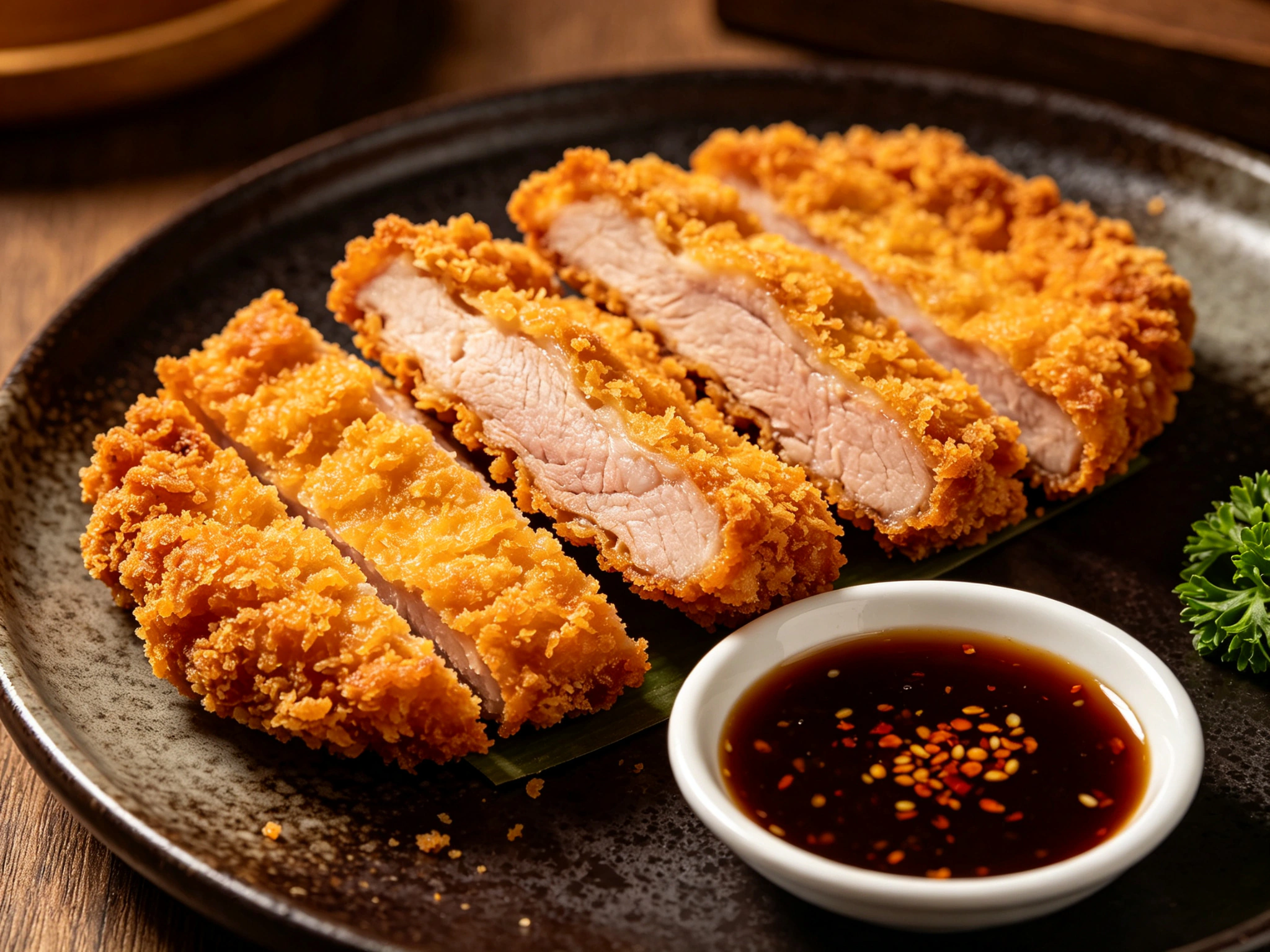
Where: Red House Restaurant (红房子西菜馆), a piece of Old Shanghai dining history, or grab it as a side with your noodles at Hu Xi Lao Long Tang.
3.4 Pork-and-Greens Wontons (Cai Rou Hun Dun, 菜肉馄饨)
Fat, hearty wontons stuffed with minced pork and greens — traditionally shepherd's purse (荠菜) — in a light broth with egg ribbons and scallions. It's the comfort food of Shanghainese childhoods: cheap, warm, quietly perfect.
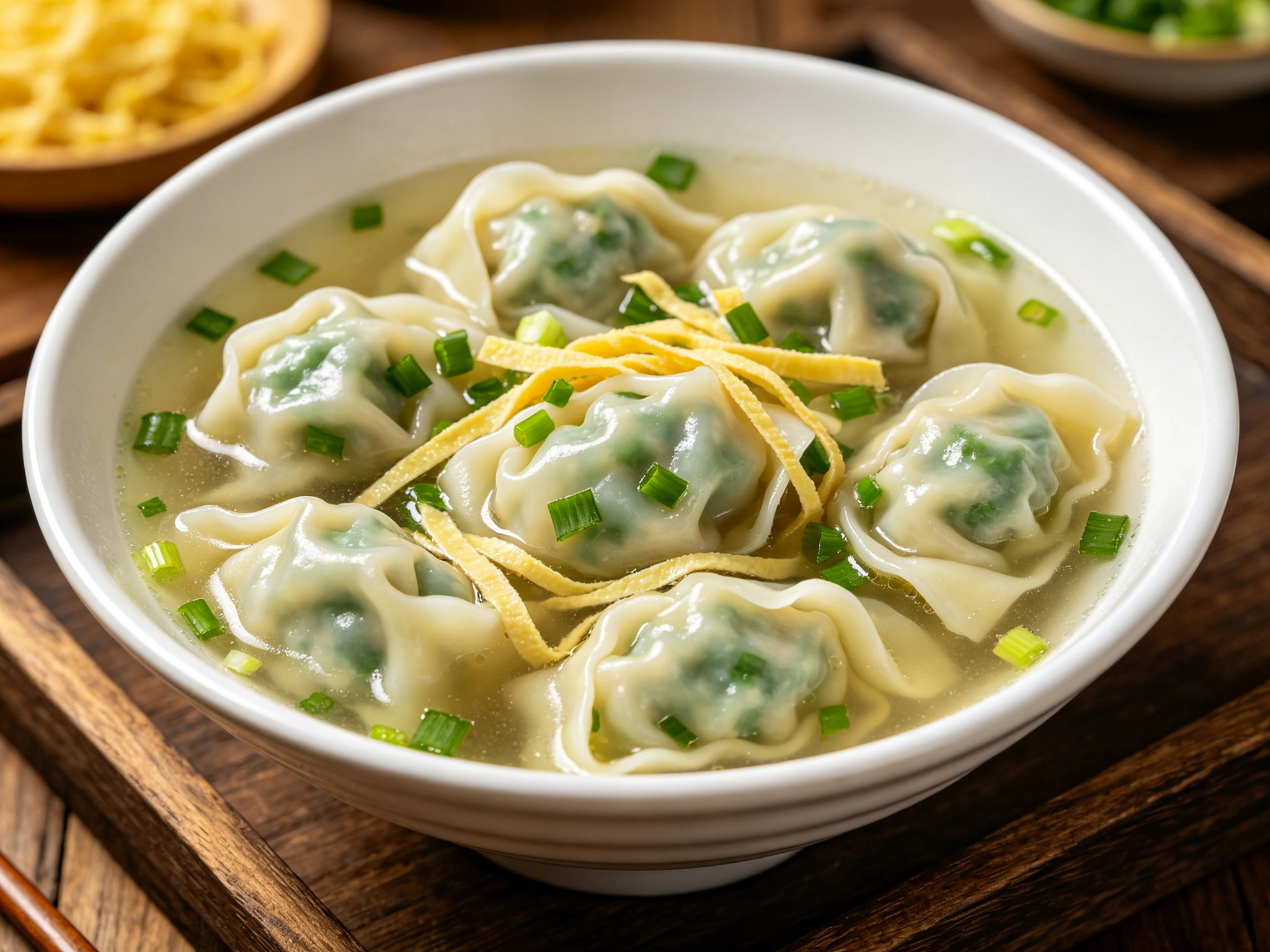
Where: Da Fu Gui (大富贵) or Wang Jia Sha (王家沙) — both old-school spots that have done this right for generations.
3.5 Pork Chop with Rice Cakes (Pai Gu Nian Gao, 排骨年糕)
A golden fried pork chop laid over thick, chewy rice cakes, all smothered in a sweet brown sauce. One plate, two textures, zero regrets. You may recognize it from the TV drama Blossoms Shanghai — locals have loved it far longer than that.
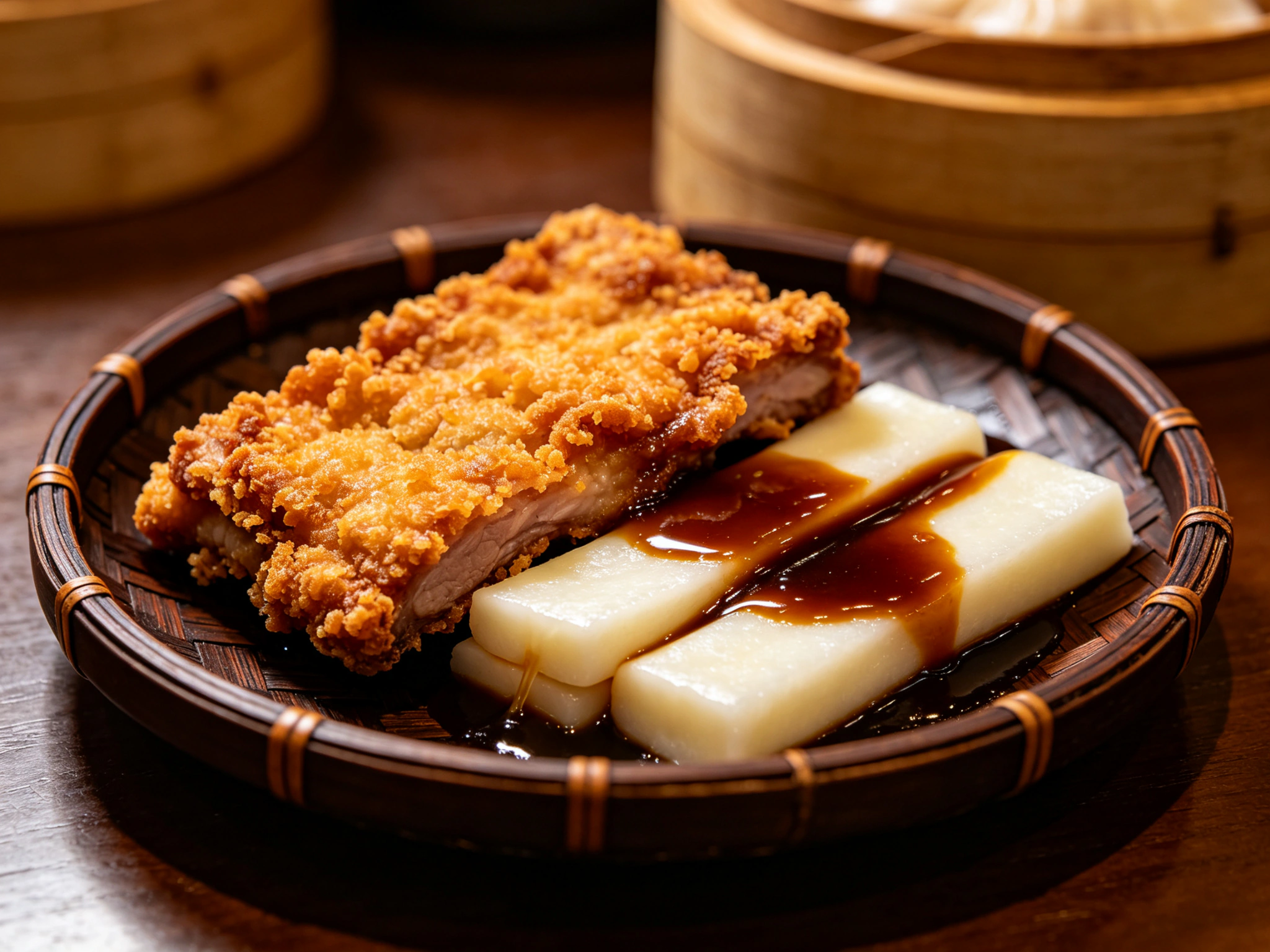
Where: Xian De Lai (鲜得来) — the century-old institution that made it famous. The flagship has moved from Yunnan South Road to nearby Ninghai East Road; look for the queue.
4. A Local's Practical Tips
- The sweetness is the point. Shanghai food leans sweet on purpose — that's the flavor of this city, not a kitchen mistake. If a dish surprises you with sugar, don't fight it. That's Shanghai.
- Order like a local. Don't order one big plate. Go table-style: one cold dish, one braised classic, one stir-fried green, one soup, noodles or rice to share. Small plates, many flavors.
- Mind the heat. Everything above comes hot except the two cold classics — white-cut chicken and smoked fish. They're supposed to be cold.
- Payment and queues. Most places take mobile payment (WeChat Pay or Alipay) and may not accept cash or foreign cards — carry a local card or set up Alipay before you go. And yes, queues are normal at these spots. Lunch queues peak 11:30–13:00; go at 13:30 and you'll often walk straight in.
5. Your Menu Cheat Sheet
Point at the Chinese characters if you need to — it always works.
- 小笼包 (xiǎolóngbāo) — Soup Dumplings
- 红烧肉 (hóngshāoròu) — Red-Braised Pork Belly
- 白斩鸡 (báizhǎnjī) — White-Cut Chicken
- 葱油拌面 (cōngyóu bànmiàn) — Scallion Oil Noodles
- 辣肉面 (làròumiàn) — Spicy Minced Pork Noodles
- 蟹黄面 (xièhuángmiàn) — Crab Roe Noodles
- 熏鱼 (xūnyú) — Smoked Fish
- 糖醋小排 (tángcù xiǎopái) — Sweet-and-Sour Spareribs
- 炸猪排 (zházhūpái) — Fried Pork Chop
- 菜肉馄饨 (càiròu húntun) — Pork-and-Greens Wontons
- 排骨年糕 (páigǔ niángāo) — Pork Chop with Rice Cakes
This list isn't exhaustive — no list of Shanghai food could be. But it's the one I actually use when friends fly in. Start with the big three, work through the noodles, save room for the sweet things. The city's table is open. 请慢用 — please, take your time and enjoy.
More from Shanghai
 Food
Food
Fifteen Minutes From The Bund, The Food Changes Completely
The Bund's own restaurants speak fluent English and take every card. Walk fifteen minutes inland and you're in a different Shanghai: olde...
Read →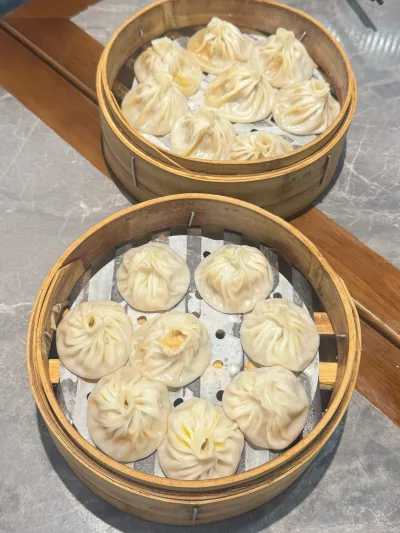 Food
Food
Liang, Long, Zhi — How Shanghai Actually Sells Its Food
Nothing at an old-school Shanghai shop is sold by "a portion". Noodles come in liang, buns come in liang, dumplings come in long, pancake...
Read →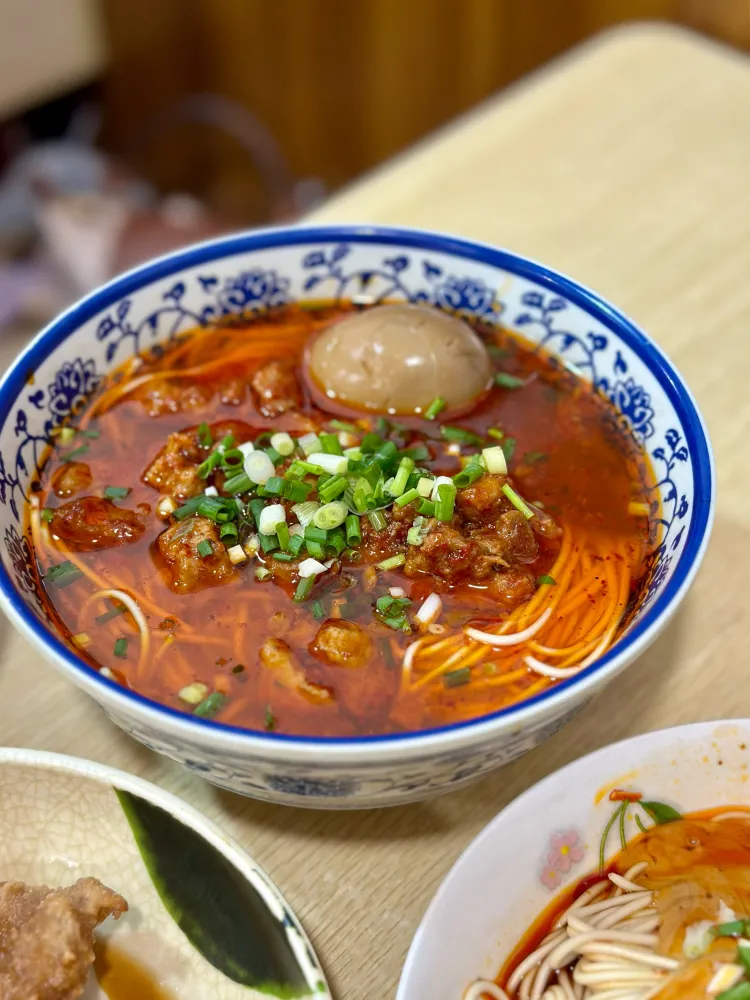 Food
Food
How To Order Noodles In Shanghai Like You Live Here
Hard noodles or soft. Soup on the side or in the bowl. Scallions held back or doubled. The words that change what arrives at your table —...
Read →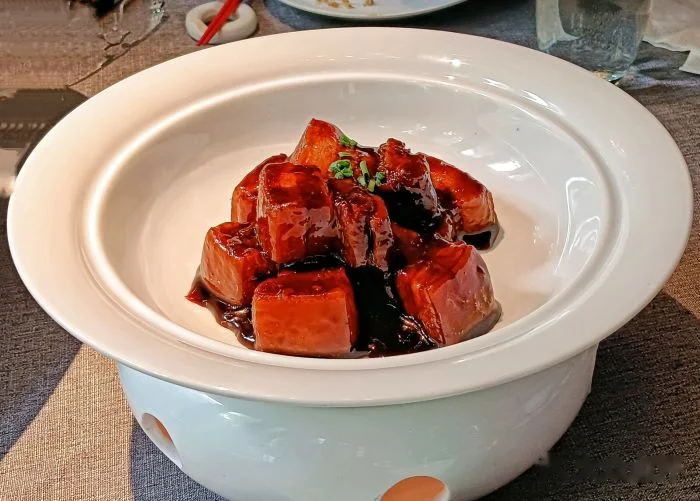 Food
Food
The 10 Tables Every First-Time Visitor Should Eat At In Shanghai
Not the ten fanciest, not the ten most famous — the ten places where the food is genuinely good, the price is genuinely small, and the ex...
Read → Food
Food
Eating At Yu Garden Without Getting Trapped
Yu Garden Bazaar is where the invention of the soup dumpling is genuinely worth seeing — and where the worst meal of your trip is genuine...
Read → How-to
How to Order Food in China With No English
You don't need to speak Chinese. You need to copy, paste and point. The exact five moves that get food in front of you — plus the sentenc...
Read → Food
Food
The Two Schools of Shanghai's Pan-Fried Bun
One bursts with scalding soup. One has almost none. Locals have been arguing about which is correct for a century — and most visitors onl...
Read → Food
Food
Where Shanghai Eats Breakfast
Four breakfasts, four street windows you would walk straight past. What locals eat before nine, what it costs, and the Chinese words that...
Read →