
Unlisted China / Shanghai / Guides
Eating At Yu Garden Without Getting Trapped
Yu Garden Bazaar is where the invention of the soup dumpling is genuinely worth seeing — and where the worst meal of your trip is genuinely possible to buy. Telling the two apart requires exactly one rule: look at who is eating.
Yu Garden is where Shanghai shows you both of its faces at once. Face one: the Bazaar lanes are one of the very few places on earth where you can eat at the house that invented the soup dumpling — Nanxiang Mantou Dian has been pleating xiaolongbao by the Nine-Turn Bridge since 1900, and the invention is real, the history is real, the queue is real. Face two: those same lanes contain the highest density of tourist-trap food in the entire city — the reheated, the overpriced, the beautiful-looking-and-terrible.
The difference between the two faces is not subtle, but you have to know what to look at.
The one rule
Look at the tables, not the storefront. Specifically:
- Queue of locals with nothing to photograph = food shop. Real ones queue for flavour.
- Empty shop, gorgeous exterior, bilingual host out front inviting you in = the rent is being paid some other way, and that way is you.
- Locals eating at a place you almost walked past = follow them.
This rule works on the whole Bazaar in ten seconds. It also works everywhere else in Shanghai, which is the real reason to learn it here.
The anchor: Nanxiang Mantou Dian
The origin house, 87 Yuyuan Road — by the Nine-Turn Bridge, the address English guides have wrong about half the time (many still print No 85; it's 87, and the card below carries the date we verified it).
Three ways to eat here, in ascending order of effort:
- The takeaway counter downstairs — cheap, fast, standing-room. You eat xiaolongbao from a paper tray with a plastic fork and you like it.
- The first-floor quick-service room — slightly more menu, moderate queue.
- The upstairs dining room — the full list including the crab and the dry-meat wonton soup, and the longest queue. Worth it once.
The insider move at all three: the crab-and-pork basket, not the plain pork. This is the city's original shop and the crab version is what the queue is actually about.
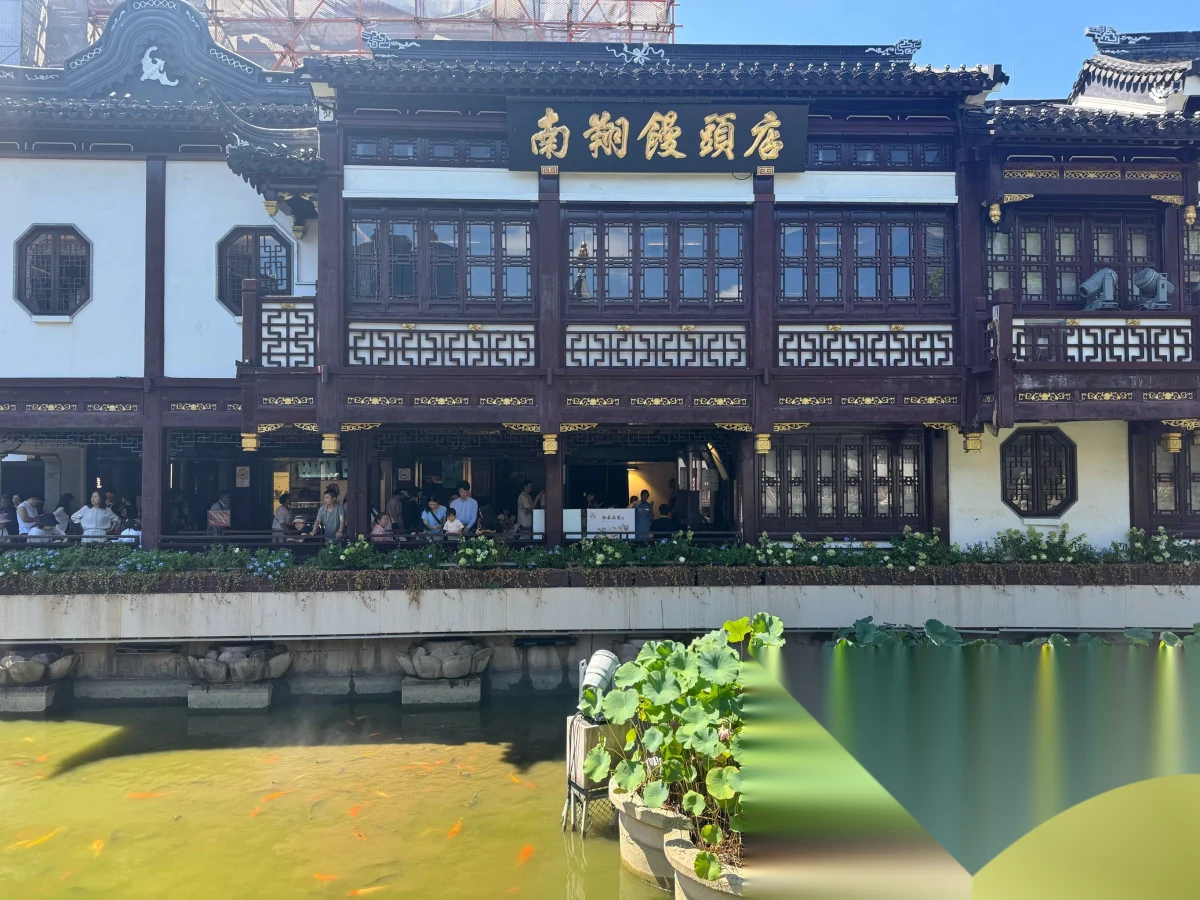
Two dining areas share the building: the ground-floor takeaway counter (cheap, standing, locals queue here) and the upstairs restaurant (3-5x pricier, service charge, mostly tourists). On a budget or want the authentic one? Stay downstairs.
The escape valve: walk eight minutes to Wangjiasha
When the Bazaar crowds defeat you — and on weekends they will — walk eight minutes northwest to West Nanjing Road. Wangjiasha is a local dim sum house where the tour groups simply do not go: crab-roe dumpling balls, pan-crisped noodles with shrimp, vegetable buns straight from the steamer, and a queue composed almost entirely of Shanghainese aunties, which is the best queue composition there is.
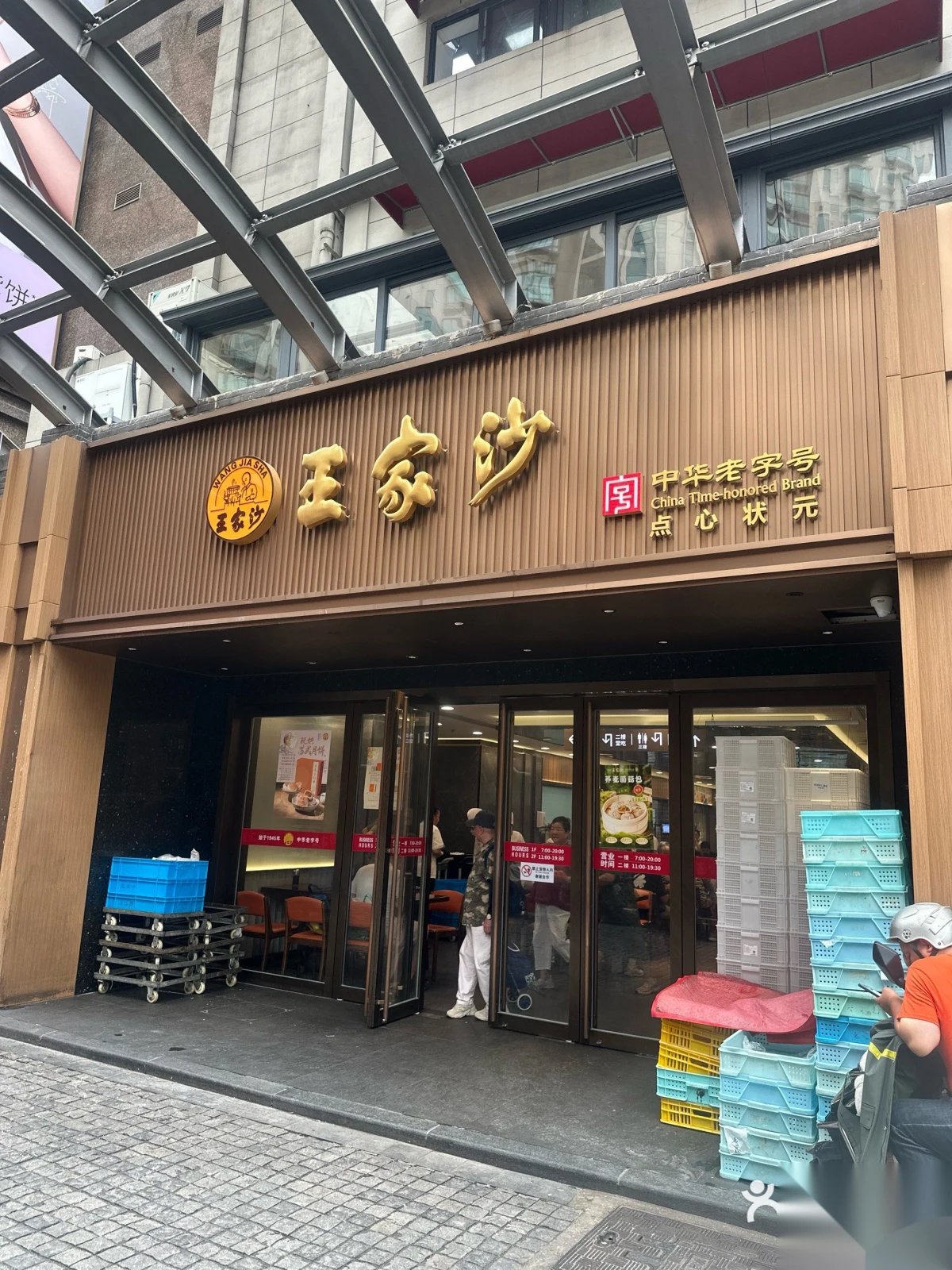
Order at the glass counters like a local: 蟹粉汤团 (crab-roe glutinous balls) in winter, 虾仁两面黄 (crisp-fried noodles with shrimp) any time, and 素菜包 (vegetable bun) straight from the steamer. In spring the qingtuan queue wraps around the block — that's the calendar telling you the shop matters.
The traps, named honestly
"Centuries-old" snack stalls with no queue. Old name on the sign, no locals eating. The recipe is licensed, the location is rent-driven, the food is airport-grade.
The photogenic skewer-and-sugar stalls. Tanghulu (candied fruit) looks extraordinary on camera and eats like a sugar bomb on a stick that fights back. One for the table to photograph; nobody needs two.
Anything with a touting host. No restaurant inside the Bazaar lanes that is worth eating at has ever needed a host to pull you in. This rule has no exceptions.
The strategy that works
- Go early. The Bazaar at 8:30am is almost pleasant — shops opening, locals buying breakfast, queues short. The Bazaar at 2pm is a different planet.
- One sit-down, one walking snack. Do Nanxiang properly — takeaway counter or upstairs, your call — and add one walking snack from a stall with a local queue. That's the whole diet.
- Set up mobile payment first. The stalls are QR-first. A foreign card linked to Alipay or WeChat Pay solves this in five minutes from your hotel.
- Use the verified cards. Addresses inside the Bazaar change more than anywhere else in this guide; the shop at No 85-or-87 kind of ambiguity is exactly why each card below carries its verification date.
The Bazaar is worth your morning. It contains the oldest food story in this guide and the newest scams, sold side by side in the same lantern light — and the only tool you need to tell them apart is the discipline to look at the tables instead of the lanterns.
More from Shanghai
 Food
Food
Fifteen Minutes From The Bund, The Food Changes Completely
The Bund's own restaurants speak fluent English and take every card. Walk fifteen minutes inland and you're in a different Shanghai: olde...
Read →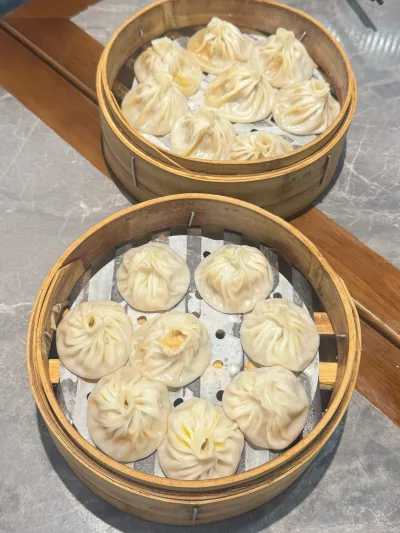 Food
Food
Liang, Long, Zhi — How Shanghai Actually Sells Its Food
Nothing at an old-school Shanghai shop is sold by "a portion". Noodles come in liang, buns come in liang, dumplings come in long, pancake...
Read →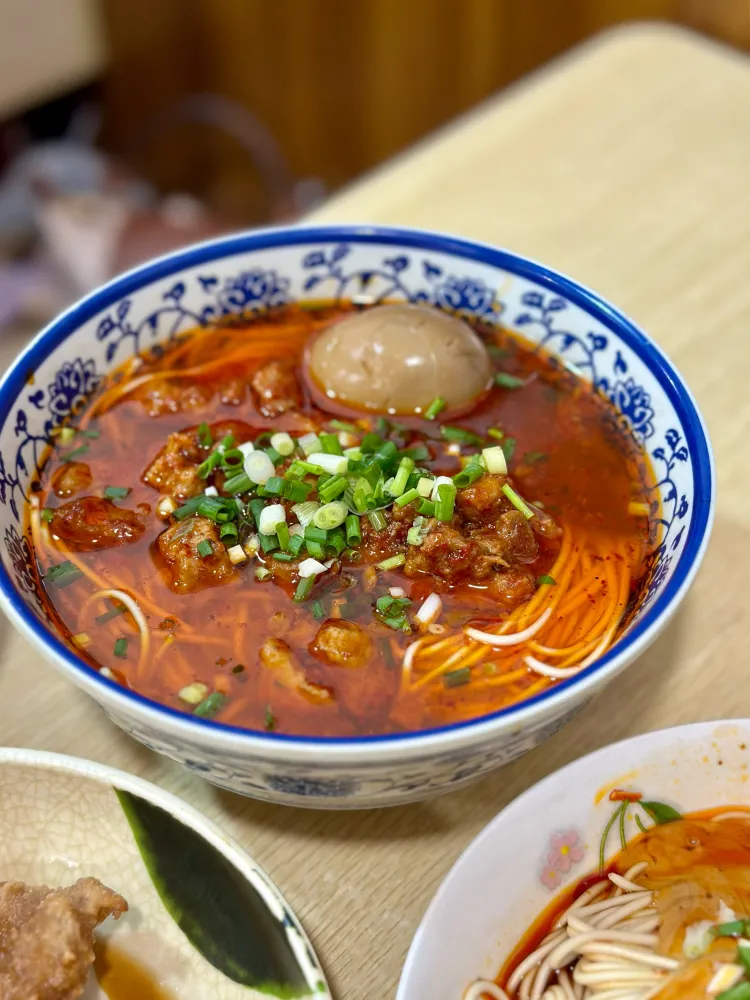 Food
Food
How To Order Noodles In Shanghai Like You Live Here
Hard noodles or soft. Soup on the side or in the bowl. Scallions held back or doubled. The words that change what arrives at your table —...
Read →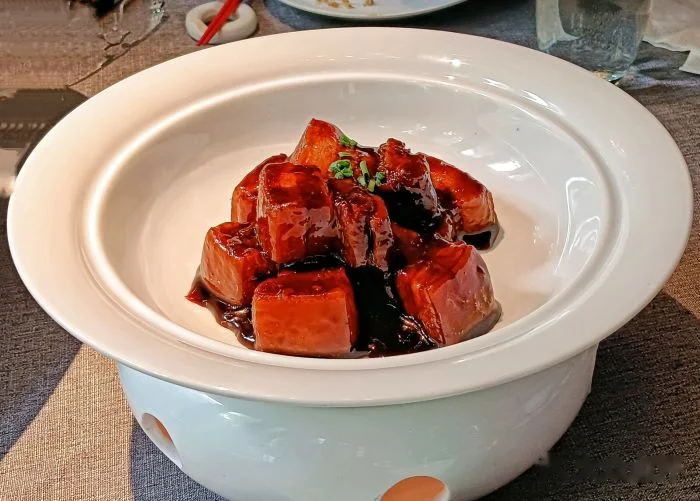 Food
Food
The 10 Tables Every First-Time Visitor Should Eat At In Shanghai
Not the ten fanciest, not the ten most famous — the ten places where the food is genuinely good, the price is genuinely small, and the ex...
Read →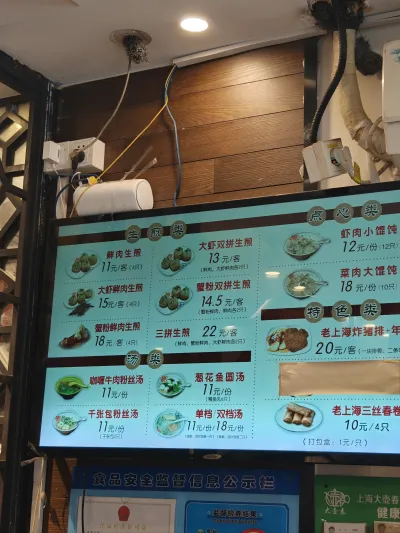 How-to
How to Order Food in China With No English
You don't need to speak Chinese. You need to copy, paste and point. The exact five moves that get food in front of you — plus the sentenc...
Read →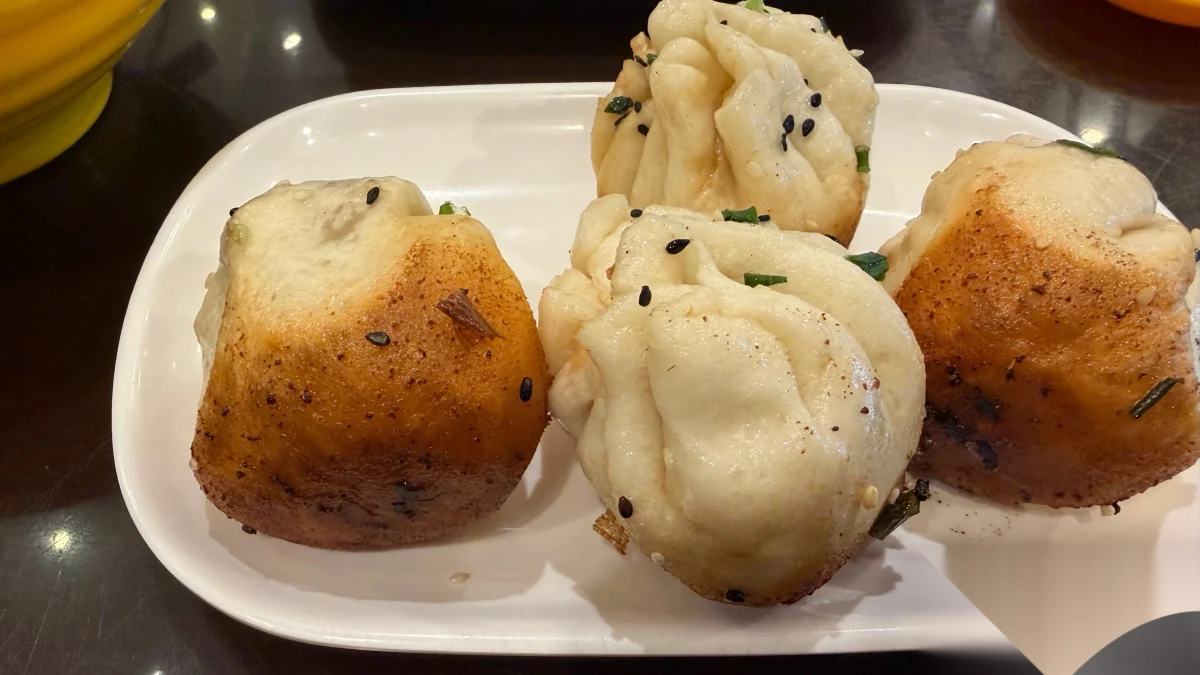 Food
Food
The Two Schools of Shanghai's Pan-Fried Bun
One bursts with scalding soup. One has almost none. Locals have been arguing about which is correct for a century — and most visitors onl...
Read →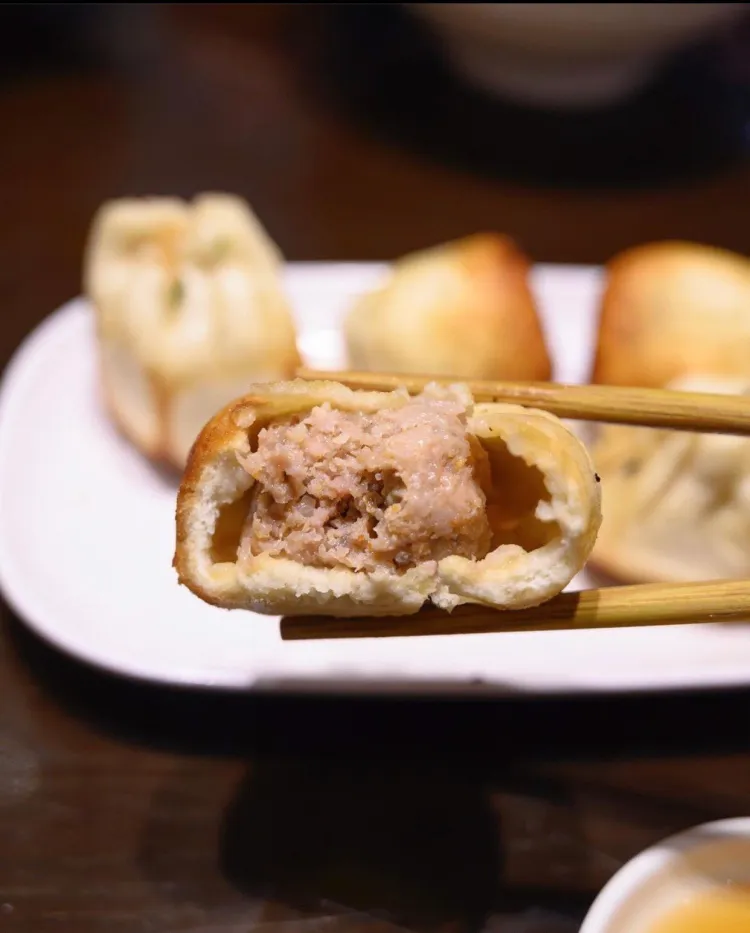 Food
Food
Where Shanghai Eats Breakfast
Four breakfasts, four street windows you would walk straight past. What locals eat before nine, what it costs, and the Chinese words that...
Read →